

Every growing property or business eventually hits the same wall: the systems that once worked fine suddenly can’t keep pace with demand. Maybe your event space keeps running out of restroom capacity, or your kitchen equipment can’t handle the volume your restaurant now does. These growing pains are normal, but ignoring them can quietly cap your growth or create costly emergencies. Understanding which infrastructure elements tend to become bottlenecks first, and what to do about each one, puts you back in control of the decision-making process.
Managing Guest Capacity at Outdoor Events and Job Sites
When a property hosts more people than its permanent facilities were designed for, restrooms are often the first thing to break down under pressure. Long lines and unsanitary conditions can ruin an otherwise well-planned event or slow down a busy construction site where workers need reliable access throughout the day. Renting additional units is a straightforward way to bridge the gap without investing in permanent construction you may not need year-round.
For weddings, corporate gatherings, or any event where appearance matters, luxury portable restrooms have become a popular upgrade over the standard job site unit. They offer climate control, running water, and interior finishes that feel closer to a permanent bathroom than a temporary fix. Planning for guest capacity ahead of time, rather than scrambling the week of an event, gives you more options and better pricing.
Assessing Site Impact Before You Expand
Before adding new buildings, parking areas, or production capacity, it pays to understand how the expansion will affect the land, water, and surrounding community. Many property owners skip this step and later face costly redesigns or delays once a problem surfaces during permitting. Bringing in environmental consulting early in the planning process helps identify soil, drainage, or contamination issues before they become expensive surprises.
This kind of assessment also protects you legally and financially, since regulatory agencies increasingly expect documentation showing due diligence. A thorough review typically covers stormwater runoff, wetland boundaries, and any historical land use that might affect current soil conditions. Catching these issues on paper is far cheaper than discovering them after construction has already started.
Keeping Refrigeration Running During Peak Demand
For any business handling perishable inventory, a refrigeration failure during a busy season can mean thousands of dollars in spoiled product within hours. As operations scale up, existing units are often pushed beyond their original design capacity, running longer hours and holding more inventory than intended. Regular maintenance checks become even more important once volume increases, since minor issues that used to be tolerable can now trigger a full breakdown.
Having a relationship with a provider of commercial refrigeration repair before you actually need one saves precious time when equipment does fail. Response speed matters most during peak periods, so it helps to know ahead of time who can get a technician on site quickly.
- Track compressor run times to spot units working harder than they should
- Schedule seasonal maintenance before your busiest months, not during them
- Keep a backup plan for temporary cold storage during extended repairs
- Monitor door seals and gaskets, which wear out faster with higher foot traffic
Moving Heavy Materials Without Slowing Down Projects
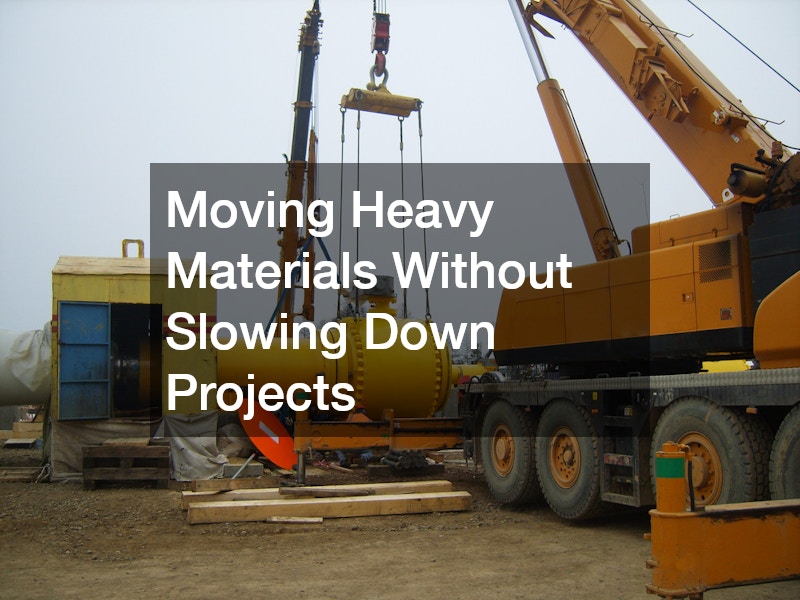
As construction or renovation projects grow larger, the equipment needed to move materials efficiently often becomes the limiting factor rather than the labor itself. Waiting on a single piece of heavy equipment to become available can stall an entire crew for hours or days. This is where crane services become essential for lifting steel beams, HVAC units, or prefabricated components into place safely and on schedule.
Coordinating lift schedules in advance, rather than calling for equipment reactively, keeps a project moving and avoids paying premium rates for last minute availability. Site access, ground stability, and overhead clearance all need to be confirmed before equipment arrives, since surprises on the day of a lift can cause expensive delays.
Fabricating Custom Components for Nonstandard Needs
Standard building materials do not always fit unusual site conditions, equipment specifications, or design requirements, especially once a business scales beyond a typical setup. A warehouse retrofit might involve column spacing that off-the-shelf mezzanine kits weren’t designed for, or new machinery that requires mounting brackets at angles and load capacities no catalog part can handle. Custom brackets, ductwork, staircases, or structural supports often need to be produced specifically for the space they will occupy.
Metal fabrication shops can take detailed measurements and specifications and produce parts that fit precisely, rather than forcing a project to compromise around off-the-shelf sizing. This typically starts with a site visit or CAD drawing review, followed by material selection based on load-bearing needs, corrosion resistance, or weight restrictions, whether that means stainless steel, aluminum, or coated carbon steel. Tolerances can be held to fractions of an inch, which matters when a part needs to interface with existing equipment or fit through a narrow doorway.
Beyond precision, custom fabrication offers flexibility that prefabricated components can’t: modifying a bracket mid-run if a measurement changes, batching small quantities without minimum order penalties, or adjusting a design after a prototype reveals a clearance issue. For growing operations juggling multiple facility upgrades at once, that responsiveness often saves more time than it costs, since waiting on a redesigned stock part can stall an entire project timeline.
When standard equipment doesn’t fit your footprint, throughput needs, or process requirements, custom fabrication becomes the only path forward. The key to making it work smoothly is timing: bringing a fabricator in during the design phase, not after construction has already broken ground.
Early involvement allows for more accurate lead times, since fabricators can quote realistically once they understand the full scope rather than reacting to a finished blueprint. It also reduces the odds of costly change orders — reworking a custom conveyor system or structural support after fabrication has started can add weeks and thousands of dollars that a five-minute design review would have avoided.
Just as important, early collaboration gives engineers a chance to flag structural concerns before materials are ordered and cut. Load-bearing capacity, floor clearance, thermal tolerances, and utility routing are all easier to correct on paper than on a shop floor. Catching a half-inch clearance issue during CAD review costs nothing; catching it after steel has been welded can mean scrapping the piece entirely.
Involving fabricators early also opens the door to value engineering — small design tweaks that preserve function while cutting material costs or simplifying assembly. A fabricator who understands your operational goals from the outset can often suggest alternatives, like modular sections instead of a single monolithic unit, that make future maintenance or expansion far easier.
Handling Increased Water Demand and Plumbing Loads
Adding new equipment, restrooms, or production lines almost always increases the demand placed on existing plumbing systems. Pipes and fixtures that were adequate for a smaller operation may struggle with backups, low pressure, or slow drainage once usage climbs. A licensed commercial plumber can evaluate whether your current system has the capacity to support growth or whether upgrades are needed before problems appear.
Waiting until a pipe bursts or a drain backs up during business hours is far more disruptive and expensive than addressing capacity issues proactively. A capacity assessment typically looks at pipe diameter, water heater sizing, and the condition of older fittings that may not hold up under increased pressure.
- Have water pressure tested annually as usage grows
- Ask about backflow prevention if new equipment is added to the system
- Replace aging galvanized pipe before it becomes a failure point
- Confirm water heater capacity matches current demand, not original installation specs
Renting Equipment for Short Term Material Handling Spikes
Not every increase in demand justifies a permanent equipment purchase, especially when the spike is seasonal or tied to a specific project. Warehouses and job sites that experience temporary surges in material handling needs often find that forklift rental makes more financial sense than buying equipment that will sit idle later. Renting also allows a business to match equipment size and capacity to the specific job rather than settling for whatever is already owned.
Before committing to a rental, it helps to walk through the space with the provider to confirm aisle widths, floor load limits, and lift height requirements. This upfront planning prevents the frustration of equipment arriving on site that does not actually fit the space or task at hand.
Preventing Grease Buildup From Higher Kitchen Volume
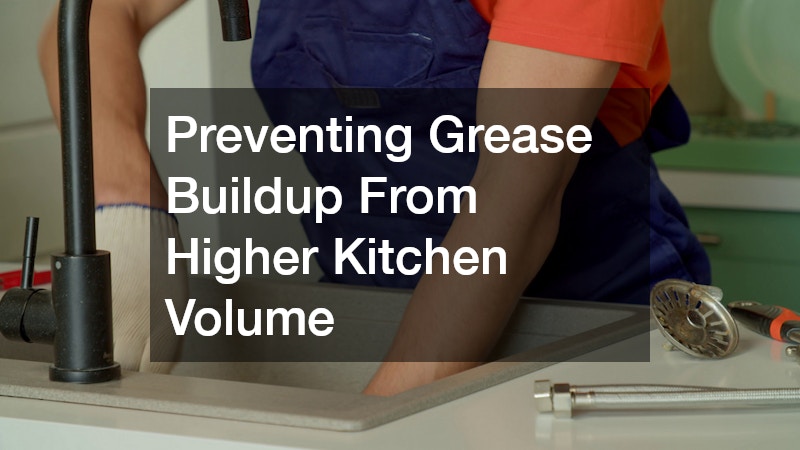
Restaurants and food service operations that scale up production often overlook how quickly increased volume affects wastewater systems. Grease traps that were sized for a smaller kitchen can fill up faster than expected, leading to backups, odors, and potential fines from local health departments. Regular pumping schedules need to be reassessed whenever kitchen output increases significantly.
Ignoring grease trap maintenance does not just risk a plumbing emergency, it can also result in violations during health inspections that jeopardize a business’s ability to operate. Working with a maintenance schedule based on actual usage, rather than a generic timeline, keeps a growing kitchen compliant and running smoothly.
Protecting Larger Facilities From Roof Related Failures
As a business expands into larger buildings or adds square footage, the roof becomes one of the most expensive and easily overlooked systems to maintain. A single roof replacement on a large facility can run into the hundreds of thousands of dollars, which makes proactive care far cheaper than reactive repairs. Leaks, ponding water, and worn membrane materials can lead to interior damage that disrupts operations and damages inventory or equipment.
The risks tend to grow with scale. Larger roofs have more seams, more penetrations for HVAC units and vents, and more drains that can clog with debris, all of which create additional points of potential failure. Flat or low-slope roofs common on warehouses and distribution centers are especially prone to ponding water, which accelerates membrane wear and can lead to structural stress if left unaddressed.
Scheduling regular inspections with a provider of commercial roofing services helps catch small issues, like a failing seam or clogged drain, before they turn into major repairs. Most experts recommend inspections at least twice a year, plus additional checks after major storms or heavy snow loads. A good inspection should also include a review of flashing, insulation, and drainage systems, since these are often where problems first appear.
Keeping detailed maintenance records matters too, particularly for businesses managing multiple locations. Documentation of past repairs, warranty terms, and inspection dates makes it easier to spot patterns, plan budgets, and avoid paying twice for the same underlying problem.
Larger facilities also tend to carry significantly more rooftop equipment—HVAC units, exhaust fans, satellite dishes, and solar arrays—all of which put additional stress on roofing materials over time. Foot traffic around these units, along with the vibration and weight they add, can wear down membranes and flashing far faster than on a smaller building with a simpler roofline. Left unmanaged, this accelerated wear turns routine equipment upkeep into a hidden source of roof failure.
Coordinating roof inspections with equipment maintenance schedules ensures that technicians are not accidentally causing damage while servicing other systems. HVAC contractors, for instance, may drag tools or replacement parts across membrane surfaces, or leave access panels improperly sealed after a repair, without realizing the long-term impact on the roof itself. A simple checklist requiring maintenance crews to inspect and document roof conditions before and after their visits can catch these issues early.
It also helps to establish clear protocols around walkways, equipment pads, and designated access points so foot traffic is concentrated on reinforced areas rather than unprotected membrane. Facilities that schedule joint walkthroughs—pairing roofing specialists with HVAC or electrical teams—tend to catch small problems, like cracked sealant or loose fasteners, before they escalate into leaks that can shut down operations.
Coordinating Multiple Contractors During a Major Expansion
Once a project involves several trades working simultaneously, such as plumbing, electrical, and structural work, coordination becomes just as important as the individual skill of each crew. Miscommunication between trades is one of the most common causes of delays and budget overruns during larger expansions. Hiring a commercial general contractor to oversee scheduling and communication keeps the project organized and reduces the chances of costly rework.
A good general contractor also acts as a single point of accountability, which matters when problems come up and decisions need to be made quickly. Property owners who try to manage multiple subcontractors on their own often find that the time savings from doing it themselves are outweighed by the coordination headaches that follow.
Scaling successfully depends less on how fast you grow and more on how well your infrastructure keeps pace with that growth. Reviewing each system, from restrooms and refrigeration to plumbing and roofing, before it becomes an emergency gives you the chance to plan rather than react. Start by identifying which system is closest to its limit right now, then bring in the right specialists to assess and address it before it slows down everything else.
