

A commercial building that looks fine on the surface can be quietly racking up costs beneath the paint and behind the walls. Every month an overhaul gets pushed back, small issues compound into bigger repair bills, safety risks, and lost business opportunities. Property owners often delay renovations because of upfront costs, without realizing that delay itself carries a price tag. Understanding exactly where those hidden costs come from can help you decide whether to act now or keep waiting.

Aging Security Systems and Entry Point Vulnerabilities
Outdated locks, worn keypads, and mismatched keys across a commercial property create security gaps that are easy to overlook until a break-in or liability claim happens. Many older buildings still rely on entry systems installed decades ago, long before modern access control technology became affordable and standard. A mechanical lock that’s been rekeyed a dozen times over twenty years, for instance, often has loose tolerances that make it vulnerable to bumping or picking.
The problem compounds when master keys circulate widely among former employees, contractors, and vendors who were never asked to return them. Without an audit trail, there’s no way to know how many copies exist or who currently holds one. This is precisely the scenario that modern access control systems eliminate, since credentials can be deactivated instantly and every entry logged with a timestamp.
Insurance carriers are also paying closer attention to this issue. Some policies now require documented access control measures, and a property with unmonitored entry points or unresolved key duplication history can face higher premiums or denied claims after an incident. A single unauthorized entry that leads to theft or injury can cost far more than the upgrade would have.
Delaying an upgrade means continuing to expose tenants, employees, and inventory to unnecessary risk. Beyond the direct security threat, aging systems also tend to fail at inconvenient moments, locking out legitimate users or letting doors stay propped open when sensors malfunction. Each of these small failures chips away at tenant confidence and adds hidden maintenance costs that rarely show up in the initial budget conversation.
A commercial locksmith can assess every entry point on your property — exterior doors, loading docks, stairwells, server rooms, and interior offices — and recommend upgrades that scale with your business. This might mean rekeying after tenant turnover, replacing worn deadbolts before they fail, or installing electronic access systems that let you track who enters and exits and when.
Many older buildings still rely on standard mechanical locks that anyone with a copied key can bypass, long after former employees or contractors should have lost access. A proper audit catches these gaps early, often flagging worn strike plates, misaligned door frames, or outdated master key systems that have quietly multiplied risk over the years.
Waiting on this kind of assessment often means paying emergency rates later, after a lockout, break-in, or lost master key forces your hand. Emergency locksmith calls can run two to three times the cost of scheduled service, and a break-in adds the expense of stolen inventory, insurance claims, and potential downtime while you sort out who still has access to your building.
- Master key systems that no longer match current tenant layouts, forcing property managers to track down spare keys or re-key entire floors after every move-out
- Exterior doors with worn strike plates or misaligned frames, which can leave gaps of a quarter-inch or more that defeat the purpose of locking the door at all
- Outdated deadbolts that do not meet current insurance requirements, often falling short of ANSI Grade 1 or 2 standards insurers now expect for commercial coverage
- Lack of audit trails for who enters and exits after hours, making it nearly impossible to investigate theft, vandalism, or liability claims tied to a specific time window
- Analog or coax-based camera systems with blind spots at loading docks, stairwells, and side entrances that newer IP camera networks would eliminate
- Fire and life-safety door hardware that hasn’t been recertified, which can trigger code violations during routine inspections
Grease Buildup and Kitchen Exhaust Fire Risk
Restaurants, cafeterias, and food service operations depend on exhaust systems that quietly accumulate grease over time, even when staff follow cleaning routines. Skipping professional service because the schedule feels tight or the budget feels tighter is one of the most common ways owners delay a necessary overhaul. That grease does not just sit there harmlessly; it becomes a serious fire hazard the longer it goes untouched.
Routine commercial kitchen hood cleaning keeps grease from building up in the areas staff cannot easily reach, including ductwork and rooftop fans. Pairing this with regular commercial kitchen exhaust cleaning ensures the entire ventilation path, not just the visible hood, stays within fire code and insurance guidelines. Insurers frequently deny claims outright when they discover a fire started in a system that was overdue for service.
- Grease-laden vapors that ignite from a single spark near cooking equipment
- Reduced airflow that makes kitchens hotter and less efficient
- Failed health inspections tied to visible grease accumulation
- Voided insurance coverage after a documented lack of maintenance records

Storefront Glass and Facade Wear
Cracked storefront windows, foggy double-pane glass, and worn seals do more than hurt curb appeal, they let in drafts, moisture, and noise that slowly damage the interior of a building. Customers form impressions of a business within seconds of walking past, and a tired-looking storefront can quietly cost you foot traffic. Postponing glass repairs also means living with rising energy bills as insulation performance degrades.
A commercial glass company can evaluate whether your storefront needs simple pane replacement or a more comprehensive facade update, including tempered or impact-resistant options for high-traffic areas. Catching seal failures early is far less expensive than replacing an entire window system after water damage spreads into surrounding framing.
- Foggy or cloudy glass indicating broken seals
- Cracks that expand with temperature swings
- Drafts near window frames raising heating and cooling costs
- Outdated glazing that no longer meets current safety codes
Overgrown Landscaping and Tree Liability
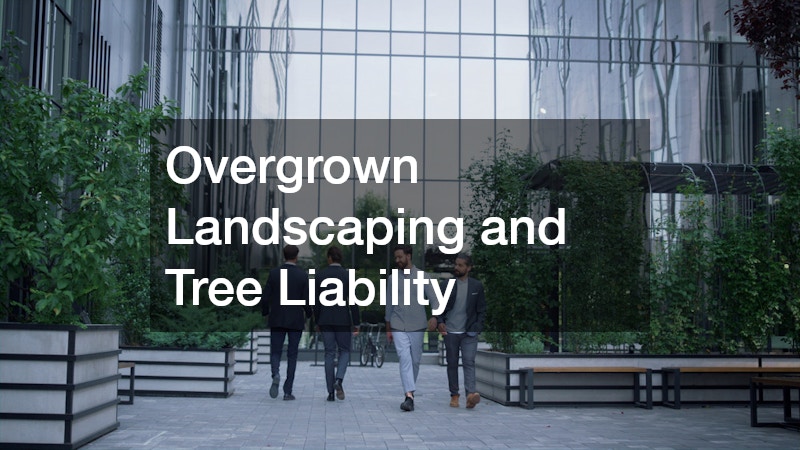
Trees add real value to commercial properties, boosting curb appeal and even property valuations by a measurable margin, but neglected landscaping can quietly turn into an expensive liability. Overhanging limbs near power lines, roots that crack pavement and foundations, and weakened trunks near walkways or parking areas all pose risks that grow right along with the tree if left unaddressed. What starts as a minor pruning need can, within a few seasons, become a structural hazard requiring emergency removal.
The financial exposure goes beyond the tree itself. Cracked sidewalks and heaving parking lots create slip-and-fall risks that invite liability claims, while root intrusion into sewer lines or building foundations can lead to repair bills running into the tens of thousands of dollars. Insurance carriers are also increasingly scrutinizing property maintenance records, and a poorly maintained landscape can factor into higher premiums or denied claims after storm damage.
Waiting until a storm brings a limb down onto a roof, a vehicle, or a pedestrian walkway is a far costlier outcome than routine maintenance. A single emergency tree removal after storm damage can cost several times more than scheduled trimming, and that’s before factoring in property repairs, potential lawsuits, or business interruption while cleanup crews clear the site. Regular inspections and a proactive pruning schedule remain the cheapest insurance a property owner can buy.
Overgrown trees and neglected landscaping do more than hurt curb appeal—they create real liability exposure. A single storm-damaged limb falling on a parked car or a pedestrian walkway can trigger a lawsuit that costs far more than years of routine maintenance combined. Root systems left unchecked can also crack pavement, block drainage, and interfere with underground utilities, turning a landscaping issue into a costly infrastructure repair.
Bringing in a commercial tree company for periodic inspection and trimming helps catch disease, structural weakness, and root intrusion before they become emergencies. Most experts recommend a professional assessment at least once a year, with additional checks after major storms or high winds. These inspections can flag issues like cavity decay, girdling roots, or weak branch unions—problems that aren’t visible from the ground but significantly raise the risk of failure.
Regular care also keeps your property looking maintained, which matters for tenant retention and customer perception alike. Prospective tenants and shoppers often equate tidy grounds with a well-run, trustworthy business. Letting landscaping slide, on the other hand, signals neglect and can quietly erode lease renewals and foot traffic before you even notice the decline.
- Limbs encroaching on rooflines or power lines, creating fire hazards and utility outage risks that utility companies may cite you for
- Root systems lifting sidewalks or parking lot pavement, creating trip-and-fall liability that can cost more than the original tree removal would have
- Signs of disease such as fungal growth, dead branches, or thinning canopy that signal a tree could fail without warning
- Storm damage risk that increases with tree age and neglect, especially for species prone to weak limb attachment like silver maples or Bradford pears
- Overgrown shrubs or hedges blocking sightlines at entrances and driveways, raising the odds of vehicle or pedestrian collisions
- Insurance implications, since many carriers will deny storm-damage claims if inspection reports show pre-existing neglect
Perimeter Fencing and Property Boundaries
Fencing does more than mark a property line, it controls access, deters trespassing, and protects equipment or inventory stored outdoors. Rusted chain link, leaning posts, and broken gates signal neglect to anyone passing by, including potential tenants or buyers evaluating the property. Delaying fence repairs often invites exactly the kind of unauthorized access the fence was meant to prevent.
Reaching out to commercial fence companies for an inspection can reveal whether a full replacement is needed or if targeted repairs will extend the fence’s usable life by several more years. Materials matter too, since a durable perimeter reduces the frequency of repairs compared to lower-grade fencing installed decades ago.
- Leaning or rusted posts compromising structural stability
- Gates that no longer latch or lock securely
- Gaps large enough for unauthorized entry
- Faded or damaged fencing that hurts overall property presentation
Rising Energy Costs From Outdated Shading Systems
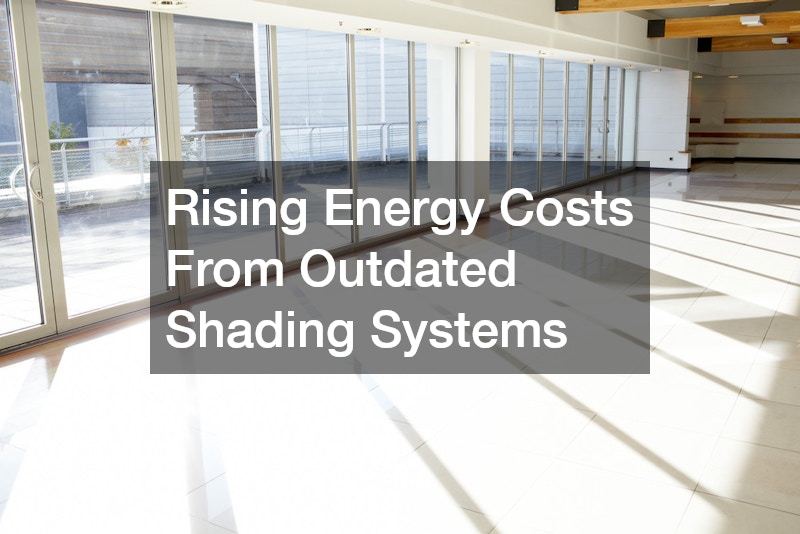
Buildings with large glass facades or outdoor seating areas often lose control over indoor temperature without adequate shading, driving cooling costs higher every summer. Solar heat gain through unshaded windows can account for a significant share of a building’s total cooling load, forcing HVAC systems to work harder just to maintain a comfortable indoor climate.
Older awnings or fixed shade structures rarely adjust to the sun’s changing angle throughout the day, leaving some areas overheated while others stay dim. A fixed structure calibrated for the summer sun’s high angle does little to block the lower afternoon sun in spring or fall, meaning the building loses efficiency across multiple seasons rather than just one.
This inefficiency adds up steadily on utility bills, even if the increase seems small month to month. A property owner might not notice an extra $150 to $300 a month on a mid-sized commercial building, but over a full year, that gap can climb into the thousands, and it compounds year after year as equipment degrades further.
Beyond the direct energy costs, outdated shading also shortens the lifespan of HVAC equipment that’s forced to run longer and harder than necessary. Replacing a worn-out rooftop unit years ahead of schedule is a hidden cost that rarely gets traced back to something as simple as an old awning.
Older buildings with single-pane windows, worn awnings, or no shading at all force HVAC systems to work overtime, especially during peak summer months when solar heat gain can spike interior temperatures by 10-15 degrees. That extra load doesn’t just show up as discomfort; it shows up on the utility bill, month after month, until the underlying problem is addressed.
Installing a commercial solar shade system allows building owners to manage sunlight and heat gain without sacrificing natural light, often paying for itself through reduced air conditioning use. Depending on the building’s orientation and glazing, quality shading can cut solar heat gain by 60-80%, which translates directly into lower cooling costs during the hottest parts of the day.
The savings compound over time. A building that delays this upgrade for another five years isn’t just missing out on efficiency gains; it’s actively paying a recurring tax in the form of inflated energy bills that could have been avoided with a one-time investment.
Waiting to address this means continuing to pay a premium for climate control that better shading could have handled passively. The longer that decision gets postponed, the more expensive the “do nothing” option becomes.
- Fixed awnings that cannot adapt to seasonal sun angles, forcing HVAC systems to compensate year-round
- Overheated retail or office spaces near large windows, often running 10-15°F warmer than interior zones
- Faded merchandise, flooring, or furniture from prolonged UV exposure, driving costly replacement cycles
- Rising cooling costs during peak summer months, with some properties seeing 20-30% spikes in energy bills
- Increased strain on aging HVAC equipment, shortening its lifespan and raising maintenance frequency
- Lost opportunity for passive solar management that modern automated shading systems provide
Sensitive Records and Data Exposure Risk
Commercial overhauls often involve relocating offices, clearing out storage rooms, or renovating administrative spaces, which means old files and records surface in the process. Boxes of outdated contracts, employee records, or financial documents sitting in storage represent a real liability if they contain sensitive information. Simply tossing them in a dumpster during a renovation can expose a business to data breaches or compliance violations.
Scheduling secure document shredding as part of a renovation project ensures sensitive paperwork is destroyed properly rather than left vulnerable during the chaos of a move or remodel. Many regulations around client and employee data require documented destruction, so this step protects the business legally as well as practically.
- Old financial records containing account or tax information
- Employee files with social security numbers or medical data
- Client contracts with confidential terms
- Compliance requirements tied to data privacy regulations
Renovation Planning Without Digital Building Models
Larger commercial overhauls involving multiple systems, from electrical to plumbing to structural changes, benefit enormously from detailed digital planning before any physical work begins. Without a clear model of the building’s existing systems, contractors risk costly surprises once walls open up or equipment gets moved. This kind of oversight is one of the quieter reasons renovation budgets balloon past initial estimates.
Using BIM management during the planning phase gives property owners and contractors a shared, detailed view of the building’s structure, systems, and potential conflict points before construction starts. Catching clashes on a screen is far cheaper than discovering them mid-demolition, and it keeps a complex overhaul on schedule.
- Clash detection between plumbing, electrical, and structural systems
- Accurate as-built documentation for older properties
- Better coordination among multiple contractors and trades
- Fewer costly surprises once demolition begins
Relocation Logistics During a Major Renovation
When an overhaul requires temporarily relocating a business, whether to a nearby suite or a different building entirely, the logistics of moving equipment and inventory can quietly derail a renovation timeline. Businesses sometimes underestimate how long it takes to pack, transport, and reinstall everything from office furniture to specialized equipment. This delay pushes back the entire renovation schedule and extends the period of lost productivity.
Hiring long distance movers experienced with commercial relocations helps keep this phase predictable, especially when equipment needs careful handling or specialized transport. Planning this step early, rather than scrambling once construction dates are set, prevents a renovation delay from turning into a full operational shutdown.
- Specialized equipment requiring careful packing and transport
- Coordinating move timing with renovation start dates
- Minimizing downtime for customer-facing operations
- Insurance coverage for high-value equipment during transit
The longer a commercial property overhaul gets postponed, the more these hidden costs quietly accumulate, from safety risks to rising utility bills to compliance exposure. None of these issues improve with time, and most become significantly more expensive the longer they go unaddressed. Taking stock of your property’s current condition, section by section, is the clearest way to spot where delay is costing you the most. The smartest next step is scheduling assessments now, before small maintenance issues turn into major renovation emergencies.
