

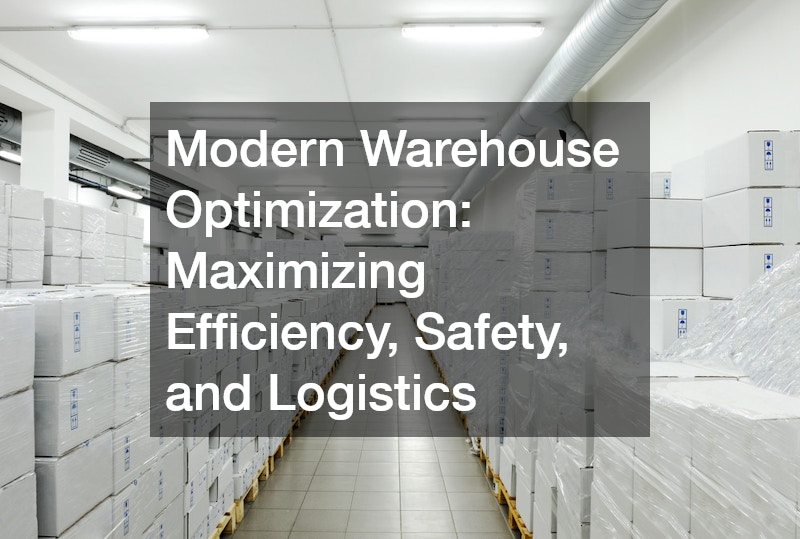
The logistics sector is moving faster than ever before. Facilities that once served as basic, quiet storage units are now dynamic hubs of constant activity. Automated retrieval systems, highly coordinated transport networks, constant truck distributions, and tight delivery timelines define the daily routine. In this fast-paced environment, standard management methods are no longer sufficient. Achieving peak performance requires a comprehensive approach that looks at the physical infrastructure just as much as the digital tracking software. When a facility functions as a single, well-oiled machine, it reduces operational delays, cuts down on wasted labor hours, and protects valuable inventory from avoidable damage. Property managers must look closely at how structural design impacts daily workflows. Every square foot of space needs to serve a distinct purpose while maintaining the highest protective standards for the workforce. Protecting a large physical asset requires a deep commitment to modern asset management. Implementing comprehensive asset protection plans keeps workers safe and protects expensive inventory around the clock. By investing in modern surveillance networks and smart access control, companies achieve the level of security needed to run a continuous, multi-shift operation without worrying about internal or external disruptions. This creates a solid baseline of confidence that allows management to focus fully on day-to-day productivity metrics and overall team efficiency throughout each operational shift.
The Groundwork for Seamless Operations
Efficiency starts right under the feet of the workforce. The physical floor of a high-volume distribution center endures massive stress every single day. Heavy forklifts carry tons of inventory across the same paths repeatedly, while workers walk thousands of steps over their shifts. Unprotected concrete floors quickly develop cracks, pitting, and fine dust that can get inside sensitive electronic equipment. To prevent these maintenance issues, modern facilities rely on heavy-duty surface coatings that can take a beating over years of continuous operation. Upgrading the facility floor to a durable epoxy flooring system provides a smooth, resilient surface that actively resists chemical spills, heavy impacts, and abrasive wear. This specialized coating creates a seamless barrier that is remarkably easy to clean, reducing the time maintenance crews spend scrubbing the aisles. Beyond simple maintenance, a smooth surface lets automated guided vehicles and traditional forklifts move much faster without the risk of bumping or dropping fragile loads due to uneven joints. Bright, reflective floor coatings also enhance the ambient lighting within the building, which improves visibility for the staff and naturally reduces energy use. A well-designed floor forms the literal foundation of a safe, efficient layout that stands up to decades of rigorous industrial use without requiring frequent repairs.
Optimizing Thermal Comfort and Product Preservation
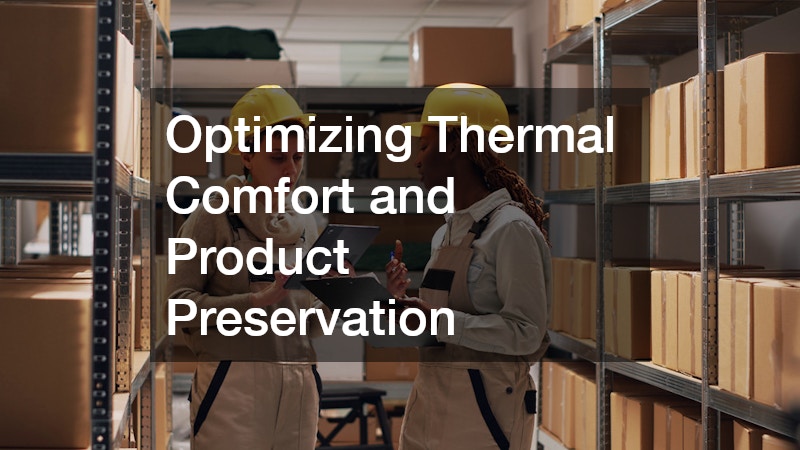
Maintaining a controlled climate inside a massive building is a difficult balancing act. Warehouses feature expansive high ceilings and large loading dock doors that open and close constantly throughout the shift. This layout makes it easy for conditioned air to escape, causing utility bills to skyrocket and forcing climate control equipment to work twice as hard to maintain the target temperature. For facilities storing temperature-sensitive goods, like pharmaceuticals or perishable food products, even a minor temperature shift can ruin whole batches of inventory. Managers must prioritize regular maintenance and energy-efficient upgrades for their heating and cooling systems to keep the indoor environment stable. Partnering with professional commercial operators for comprehensive HVAC services guarantees that large-scale rooftop units and complex duct networks operate at peak capacity during seasonal weather shifts. Modern climate control setups use advanced smart thermostats and zoned air distribution to heat or cool only the active areas of the building, rather than wasting energy on empty corners. Good air circulation also removes stagnant humidity, which protects cardboard packaging from softening and prevents moisture from condensing on metal racks. A stable indoor climate keeps workers focused, protects sensitive inventory from spoiling, and extends the overall operational lifespan of expensive mechanical infrastructure installed throughout the building.
Structural Integrity and Overhead Protection
A building is only as reliable as the structure protecting it from the elements. The roof of a large commercial building covers a massive surface area, making it vulnerable to heavy rain, snow accumulation, intense sun exposure, and high winds. A small, unnoticed leak can quickly turn into a major disaster if water drips onto expensive electronic systems, inventory racks, or busy paths where workers could slip during their daily duties. Routine structural inspections are essential for identifying weakened spots, compromised seams, and minor drainage blockages before they cause actual operational downtime and expensive loss of inventory. Enlisting the expertise of commercial roofers ensures that regular inspections, preventative maintenance, and timely repairs are handled safely and professionally. These structural experts understand the unique challenges of flat and low-slope industrial roofs, including the proper maintenance of specialized drainage systems and heavy membrane seals. Keeping the roof in excellent condition also improves the insulation performance of the entire building, keeping hot air out during summer and trapping heat during winter months. By actively protecting the top of the facility, managers can avoid expensive emergency repairs, prevent sudden disruptions to the supply chain, and ensure the entire indoor workspace remains completely dry and secure throughout the year.
Transitioning to Clean Energy Solutions
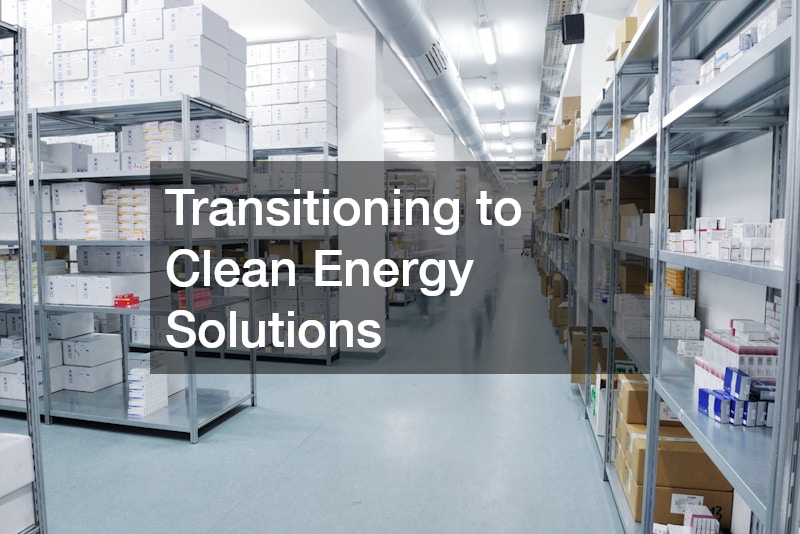
Operating a modern distribution center requires an enormous amount of electrical power. Between high-intensity overhead LED lighting, heavy charging stations for electric forklift fleets, continuous sorting conveyors, and large climate systems, monthly energy bills can quickly strain operational budgets of growing supply companies. Forward-thinking companies are looking for innovative ways to lower their fixed utility costs while making their facilities more environmentally responsible. The vast, flat roofs of industrial buildings provide the perfect setting for generating clean, independent electricity on-site. Investing in commercial solar services allows companies to convert their empty roof space into a highly functional power generation network that offsets daily grid consumption by capturing clean sunlight. Generating clean energy directly on-site dramatically lowers monthly operational expenses and provides long-term protection against volatile utility price spikes. Furthermore, many regions offer substantial tax incentives and green grants that help offset the upfront cost of installing clean energy systems. Transitioning to renewable power also strengthens a company’s corporate responsibility profile, appealing directly to modern clients who prioritize environmentally conscious partners in their supply chains. Harnessing renewable energy transforms an underutilized asset into a long-term financial advantage that supports ongoing corporate growth and lowers overhead costs significantly.
Establishing Uninterrupted Power Safeguards
Even the most energy-efficient facilities face significant risks if the local electrical grid goes down. A sudden power outage can halt automated sorting lines, disable tracking software, turn off security cameras, and leave loading docks completely dark and unsafe for workers. In the modern logistics sector, even a single hour of unexpected downtime can result in thousands of dollars in lost operational revenue and delayed shipments that frustrate key clients. To protect against these unpredictable utility grid failures, facility managers must implement a reliable backup power plan that kicks in automatically when needed. Scheduling a professional industrial generator installation ensures that the building retains immediate, automatic access to backup power during severe storms or grid overloads. These heavy-duty backup power systems are designed to detect utility failures within seconds, instantly firing up to keep critical operations running smoothly without manual intervention. A proper backup power setup focuses on keeping essential zones active, such as emergency lighting, main data centers, tracking servers, and cold-storage cooling units running smoothly. Having a reliable secondary power source safeguards the facility against costly operational bottlenecks, maintains fulfillment commitments, and ensures that the workforce remains completely safe during unexpected local utility emergencies that may arise. This investment protects the bottom line.
Enhancing Internal Sanitation and Water Systems
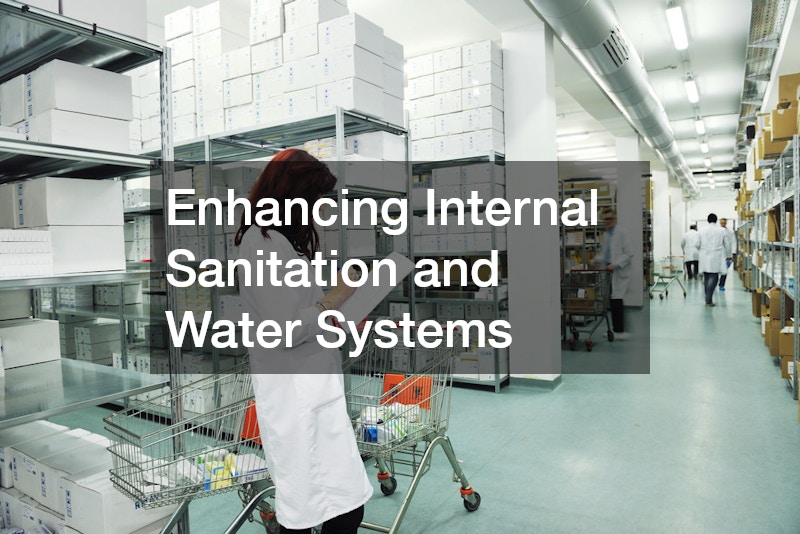
A highly productive warehouse depends heavily on the well-being and health of its workforce. While high-tech equipment and energy systems get a lot of attention, basic facility infrastructure is just as important for daily operations. Large industrial facilities require robust water supply networks and efficient sanitation systems to support hundreds of workers across multiple continuous shifts every single week. Clean breakrooms, fully operational restrooms, and accessible handwashing stations are essential for maintaining proper workplace hygiene and meeting health regulations. Facility managers must keep an eye on these utility networks to prevent unexpected clogs, hidden pipe leaks, or sudden water pressure drops that can disrupt the workday. Maintaining a dependable commercial plumbing infrastructure prevents major sanitation emergencies that could force parts of the building to close down temporarily. Routine checks on backflow preventers, main water lines, and drainage systems help identify small issues before they grow into expensive, messy repairs that disrupt productivity. Ensuring that clean water flows reliably throughout the facility keeps employee morale high and keeps the business compliant with workplace safety standards. Investing in high-quality utility maintenance shows workers that their health and comfort are top priorities for the company, ensuring smooth operations day in and day out.
Designing Effective Visual Workflows
Organization inside a fast-moving logistics center requires clear, instant visual communication across every single aisle. With heavy machinery moving down narrow aisles alongside walking employees, everyone needs to know exactly where they are going at all times. Clear visual markers help prevent accidental collisions, guide new employees, and keep the entire workflow moving smoothly without unnecessary pauses. Relying on simple verbal instructions or outdated paper notes often leads to confusion, errors, and safety hazards on the active warehouse floor during peak hours. Implementing highly visible, durable custom signs across the facility allows management to clearly mark active forklift lanes, pedestrian pathways, hazard zones, and specific inventory aisles. These specialized visual tools can be tailored to match the unique layout of the building, using bright colors and clear text that workers can read instantly from a distance. Properly placed markers also speed up order fulfillment by helping pickers find specific loading docks and storage racks without wasting time searching manually. By creating an organized, easy-to-navigate environment, facilities reduce the time spent training new staff and significantly lower the risk of workplace accidents. Clear visual communication keeps the fast-paced environment structured, efficient, and completely safe for everyone on the floor at all times.
Integrating Fulfillment and Outbound Logistics
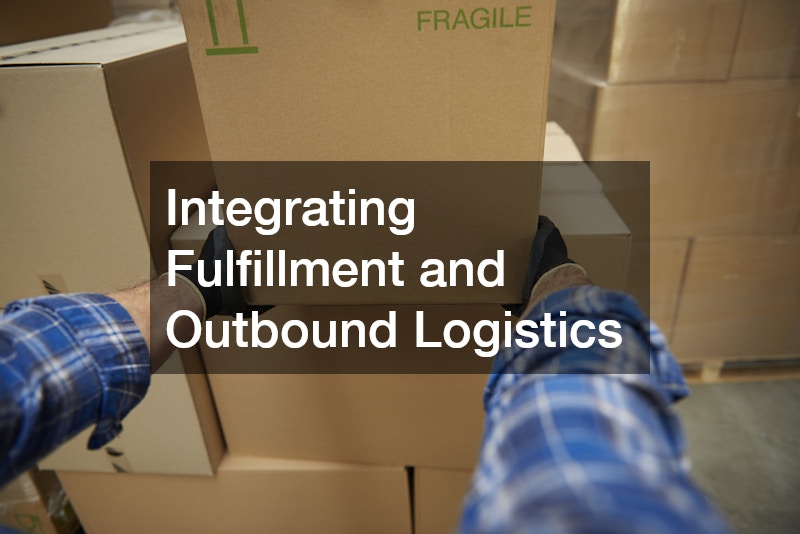
A highly optimized facility must ensure that outgoing inventory leaves the building as efficiently as it is stored inside the racks. The final stage of the warehouse lifecycle involves sorting, packaging, and shipping orders out to global customers on tight deadlines. In today’s competitive market, delays in processing outbound shipments can hurt customer satisfaction and damage a company’s professional reputation over time. To keep everything moving quickly, distribution centers need dedicated, organized areas specifically set up for handling outbound parcels, bulk packages, and direct corporate communications. Designing a high-volume internal mailing service station streamlines the entire process by grouping weighing scales, label printers, and packaging materials into one highly efficient workspace. This centralized approach reduces the time workers spend moving between different stations, letting them prepare shipments rapidly, safely, and accurately. Having an organized fulfillment zone also helps third-party logistics carriers load their freight trucks much faster, reducing congestion at the busy loading docks. By optimizing outbound operations, companies can handle much higher order volumes without adding extra stress to their staff. Seamless outbound tracking ensures that products reach their final destinations on time, protecting the company’s reputation for reliable service across the market and industry.
Driving Corporate Brand Visibility
While internal optimization keeps the daily workflow moving smoothly, the exterior of the building plays an important role in the brand’s professional identity. Large warehouses and logistics hubs are often located near busy highways or main industrial parks, giving them excellent visibility to thousands of passing drivers every day of the week. An unbranded, plain concrete exterior misses a great opportunity to showcase the company’s professionalism and attract new business clients looking for partners. Investing in a high-quality, professional business sign on the front of the building establishes a strong corporate presence and makes a lasting positive impression on visitors. A well-designed exterior marker helps delivery drivers, job applicants, and corporate partners locate the right entrance quickly, reducing traffic confusion around the property gates. It also acts as a continuous, cost-effective marketing tool that builds brand awareness within the local community day and night. The exterior of a facility should match the high level of efficiency and organization that exists inside the building. By combining a clean, modern structural layout with strong external branding, companies can turn a simple distribution hub into a powerful symbol of their market leadership and operational excellence for years to come in the industry.
