

Keeping a property safe, functional, and up to code often feels like a losing battle against rising costs. Every system in a building—from the roof to the plumbing—eventually needs attention, and putting off repairs to save money now can lead to far bigger bills, or even safety hazards, later. The good news is that with the right planning, property owners can control spending without cutting corners on the things that actually protect their investment and the people who use it. This guide breaks down where facility costs come from and how to manage them wisely.
Identifying the Real Cost Drivers Behind Facility Upkeep
Before you can trim facility costs, it helps to understand where the money actually goes. Many property owners assume upkeep expenses are dominated by routine cleaning or landscaping, but the bigger drains typically come from deferred maintenance, outdated systems, and reactive repairs made under pressure. A leaking roof ignored for a season, an aging HVAC unit running inefficiently, or electrical wiring that no longer meets current codes can quietly cost far more than the price of timely attention. These issues also tend to compound: a small plumbing leak left unaddressed can lead to mold remediation, structural repair, and even temporary displacement, turning a minor expense into a major one.
Another overlooked cost driver is compliance drift, which happens when a property gradually falls out of step with fire, safety, or building code requirements because nobody is tracking changes over time. Fixing violations after an inspection flags them almost always costs more than staying current in the first place, since fines, rush repairs, and re-inspection fees add up quickly. To get a clearer picture of where your own expenses originate, consider reviewing the following:
- Age and maintenance history of major systems, including HVAC, plumbing, electrical, and roofing
- Frequency of emergency repairs versus scheduled maintenance over the past two to three years
- Any past code violations, insurance claims, or inspection failures tied to the property
- Utility bills for unusual spikes that may signal inefficiency or equipment strain
- Safety features like smoke detectors, fire extinguishers, and handrails that may be outdated or missing
Looking at costs through this lens shifts the focus from simply spending less to spending smarter, which is the real key to long-term savings.
Keeping Heating and Cooling Systems Running Efficiently
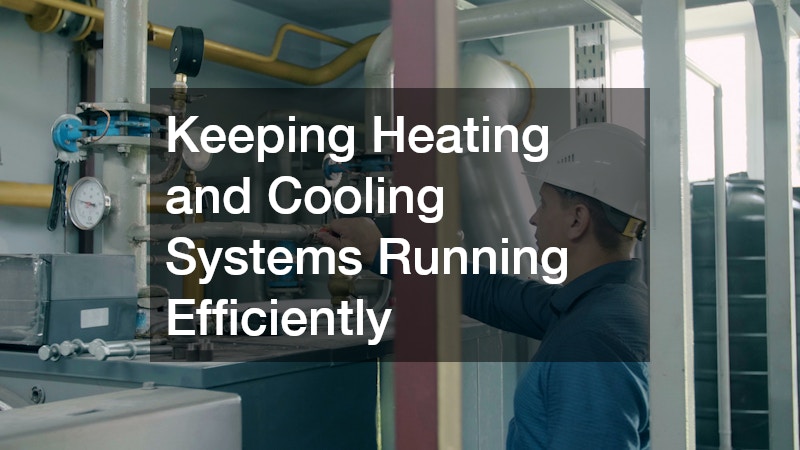
Your heating and cooling systems are often the single largest energy expense in any building, so keeping them running efficiently pays off twice: lower utility bills and fewer safety hazards down the road. A neglected HVAC system doesn’t just waste money through inefficient operation, it can also create real risks, such as carbon monoxide leaks from a cracked heat exchanger, frozen coils that lead to water damage, or electrical issues from overworked components. Staying ahead of small problems through regular filter changes, coil cleaning, and duct inspections is far cheaper than dealing with a full system failure in the middle of a heat wave or cold snap. When a unit starts showing signs of real trouble, calling in commercial HVAC repair sooner rather than later can prevent a minor fix from turning into a costly replacement or a compliance violation tied to air quality or ventilation standards.
Budgeting for HVAC upkeep should be treated as a predictable, recurring line item rather than an emergency expense that catches you off guard. Setting aside funds for seasonal tune-ups, filter replacements, and periodic professional inspections helps smooth out costs over the year instead of absorbing one large bill when a system finally breaks down. Watch for these warning signs that indicate your system needs attention before it becomes a bigger problem:
- Unusual noises like grinding, squealing, or banging during startup or operation
- Inconsistent temperatures between rooms or floors
- A noticeable spike in energy bills without a change in usage
- Weak airflow from vents or registers
- Frequent cycling on and off, which strains components and shortens equipment life
Catching these issues early not only protects your comfort and safety but also keeps you in line with any local codes governing ventilation, indoor air quality, and equipment maintenance.
Protecting Indoor Air Quality Without Overspending
Air quality is one of those expenses that quietly balloons when it’s ignored, because a poorly maintained HVAC system doesn’t just cost more to run, it also circulates dust, allergens, and even mold spores throughout a home or building. The good news is that protecting indoor air doesn’t require expensive equipment upgrades. Something as simple as sticking to a consistent filter replacement schedule, typically every one to three months depending on usage and household size, can prevent strain on the system while keeping contaminants out of the air. For homes with pets, allergy sufferers, or unusual duct configurations, a custom air filter sized to the exact specifications of the unit often performs better than a generic one-size-fits-all option, and it can actually reduce long-term costs by preventing the gaps and leaks that let unfiltered air sneak through.
Beyond filters, keeping vents unblocked, sealing obvious duct leaks, and having the system inspected before extreme weather seasons hit are low-cost habits that pay off in both air quality and energy savings. Ventilation matters too: even a well-filtered system can’t compensate for a tightly sealed home with no fresh air exchange, so cracking windows when weather allows or using exhaust fans in kitchens and bathrooms helps move stale, humid air out before it becomes a breeding ground for mold. Homeowners on a tight budget should also pay attention to humidity levels, since keeping indoor humidity between 30 and 50 percent is one of the cheapest and most effective ways to discourage mold growth and dust mites without buying additional equipment. None of these steps require a big investment, but skipping them tends to lead to bigger repair bills and potential health complaints down the road, which almost always cost more than the maintenance would have.
Managing Water and Drainage Issues Before They Escalate
Water damage is one of the most expensive problems a property owner can face, largely because it rarely announces itself until the damage is already extensive. A slow leak behind a wall or a slightly clogged drain line seems minor at first, but left unchecked it can lead to mold growth, structural rot, and even foundation issues that cost thousands of dollars to repair. The smarter approach is to treat drainage and moisture control as an ongoing maintenance priority rather than a problem you deal with only after water is visibly pooling on the floor.
Regular inspection is the cheapest insurance you can buy against a major plumbing disaster. Many property owners wait until a backup happens to think about their pipes, but by then the buildup causing the blockage has often been developing for months. For larger properties or buildings with older plumbing systems, periodically bringing in commercial drain cleaning companies for a thorough inspection and cleaning can catch grease buildup, root intrusion, or scale accumulation long before it causes a shutdown or a costly emergency call. Between those checkups, there is plenty you can monitor yourself.
Watch for these warning signs that drainage problems are developing:
- Slow draining sinks, tubs, or floor drains that get progressively worse over time
- Gurgling sounds coming from pipes when water runs elsewhere in the building
- Unpleasant sewage odors near drains, especially in basements or utility rooms
- Visible water stains, discoloration, or soft spots on ceilings, walls, or floors
- Unexplained increases in your water bill, which can signal a hidden leak
Catching any of these early and addressing them promptly almost always costs less than waiting for a full backup or water damage restoration project.
Strengthening Your Roof Against Long-Term Damage
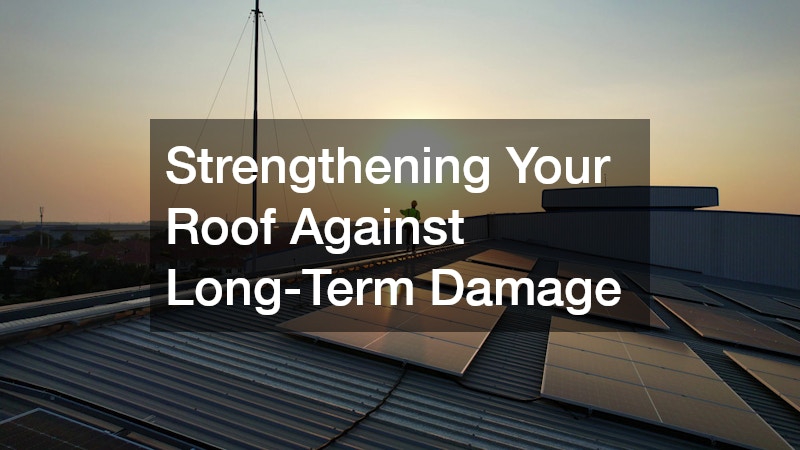
Your roof is one of the most expensive components of your property to replace, which makes preventing slow, hidden deterioration far more cost-effective than reacting to a major leak or structural failure. Small issues like cracked flashing, clogged gutters, or ponding water may seem minor, but left unaddressed they allow moisture to seep into insulation and decking, leading to mold, rot, and weakened support beams that are far pricier to fix than the original problem. Scheduling a seasonal walk-through, especially after heavy storms or before winter, lets you catch curling shingles, soft spots, or granule loss early, before they turn into a five-figure repair. Even something as simple as trimming overhanging branches can reduce debris buildup and prevent punctures that shorten your roof’s lifespan by years.
For property owners managing larger buildings, warehouses, or multi-unit structures, the stakes are even higher because commercial roofing systems often cover vast, flat surfaces where water pooling and slow drainage failures are harder to spot from the ground. These roofs typically rely on membrane materials that degrade under UV exposure and temperature swings, so tracking the age and condition of that material matters just as much as watching for visible damage. Keeping detailed maintenance records, including dates of inspections and any patch work, also helps when it comes time to file insurance claims or demonstrate compliance with local building codes. Investing a modest amount in routine upkeep, such as resealing seams or clearing drains, spreads costs out predictably over time instead of forcing a sudden, disruptive expense when a roof fails unexpectedly. Ultimately, treating your roof as an ongoing investment rather than a one-time expense protects both your budget and the safety of everyone under it.
Ensuring Structural Integrity as Your Property Ages
As buildings age, small structural issues can quietly turn into expensive emergencies if they go unnoticed for too long. The key to controlling long-term costs isn’t avoiding maintenance, it’s catching problems early enough that repairs stay minor. Foundations shift, roofs sag, and load-bearing elements weaken over decades, especially in properties exposed to heavy moisture, freeze-thaw cycles, or shifting soil. A basic structural engineering assessment every few years can flag these changes long before they become visible cracks or safety hazards, giving owners time to budget for repairs on their own schedule rather than reacting to a crisis.
Budgeting for structural upkeep works best when it’s treated as a predictable line item rather than a surprise expense. Setting aside a small reserve fund annually, even a modest one, means that when an inspection turns up an issue, you’re not scrambling to cover the cost or tempted to delay a repair that shouldn’t wait. Prioritizing fixes based on safety impact, rather than convenience or cost alone, also helps ensure that the most critical issues get addressed first, even if it means postponing purely cosmetic work.
- Visible cracks in walls, ceilings, or foundations, especially those wider than a quarter inch
- Doors or windows that stick, don’t close properly, or appear uneven in their frames
- Sagging or uneven floors, particularly near load-bearing walls
- Water stains or pooling near the foundation after rain
- Sloping or bowing in exterior walls or support beams
Securing Your Property with the Right Entry Points
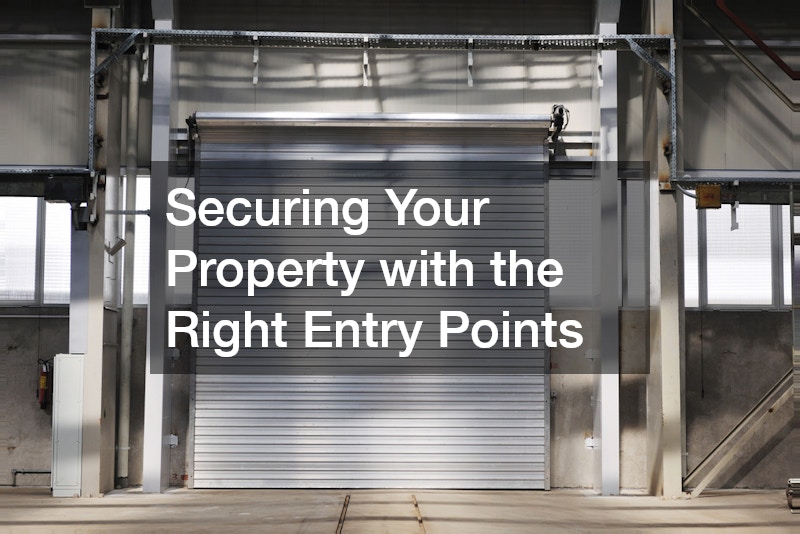
Every entry point on your property is a potential weak spot, so it pays to think carefully about what you install rather than defaulting to the cheapest option. Exterior doors take the brunt of weather, daily use, and attempted break-ins, which means material choice matters as much as price. Steel doors tend to offer the best long-term value for main entrances and utility access points because they resist warping, forced entry, and fire damage far better than hollow-core or basic wood alternatives, even though they carry a higher upfront cost. That durability can actually reduce expenses over time, since you are not repainting, rehanging, or replacing a damaged door every few years, and many insurance providers recognize reinforced doors as a factor that can lower premiums.
Beyond material, proper installation and hardware selection are just as important as the door itself. A high quality steel door with a poorly fitted frame or a low grade lock still leaves gaps that compromise both safety and insurance compliance. Pay attention to door grading, deadbolt strength, and hinge placement, and make sure any door leading to a garage, basement, or mechanical room meets local fire code requirements if it separates living space from a hazard area. If you are working with an older property, it is worth checking whether existing doors still meet current building and safety codes, since regulations around fire rating and egress have often changed since original construction. Addressing these details upfront, even if it means spending a bit more at the outset, helps you avoid costly retrofits, failed inspections, or safety incidents down the road, all of which tend to be far more expensive than getting the entry point right the first time.
Streamlining Waste Removal and Debris Cleanup
Waste and debris removal is one of the easiest facility costs to let spiral out of control, especially when materials pile up faster than regular garbage collection can handle them. Before assuming you need a bigger dumpster or more frequent pickups, take a closer look at what is actually accumulating and why. Renovation debris, packaging waste, and seasonal cleanup often call for a different solution than everyday trash, and mixing them together usually means paying premium rates for materials that could be handled more cheaply through recycling or bulk disposal. For larger one-time projects, roll off containers are often more cost-effective than scheduling multiple extra pickups, since you pay a flat rate for a set volume rather than per-trip fees that add up quickly.
Sorting waste at the source is the simplest way to cut costs without cutting corners on cleanliness or safety. Hazardous materials, in particular, should never go into a general container, since improper disposal can trigger fines or create safety hazards for anyone handling the waste later. A few practical habits make a noticeable difference over time:
- Separate recyclable materials like cardboard, metal, and clean wood from general debris to reduce the volume going to landfill pickup.
- Schedule bulk cleanups around project timelines rather than paying for standing service you only need occasionally.
- Keep walkways and storage areas clear of debris buildup to avoid trip hazards and pest issues.
- Label and separate hazardous or chemical waste according to local disposal guidelines.
- Right-size your container or pickup frequency based on actual volume rather than guessing.
Small adjustments like these keep costs predictable while making sure debris never becomes a safety or compliance issue on your property.
Handling Renovations and Heavy Equipment Needs Safely

Renovations often become the biggest wildcard in any facility budget, especially when the project requires lifting heavy materials, hoisting HVAC units onto rooftops, or moving structural beams into place. Rather than purchasing specialized machinery that will sit unused after the job is done, many property owners find that crane rentals offer a more cost-effective way to get short-term lifting power without the long-term costs of ownership, storage, and maintenance. Before scheduling any lift, check with your local building department about permits, because cranes often require street closures, utility line clearance verification, and sometimes a certified operator with documentation on file. Skipping this step to save time can lead to stop-work orders that end up costing far more than the permit fee itself.
Beyond the equipment itself, safety planning deserves just as much attention as the budget line item. A pre-lift site assessment should account for ground stability, overhead power lines, wind conditions, and the proximity of pedestrians or neighboring structures, since even a well-maintained crane can become a liability if the surrounding conditions aren’t properly evaluated. It also helps to confirm that whoever is operating the equipment carries the appropriate certification and that your project’s general liability insurance covers third-party equipment use, since gaps here can leave you personally responsible for damages. Scheduling deliveries and lifts during off-peak hours can reduce both risk and cost, particularly in commercial or mixed-use areas where foot traffic and parking constraints add complexity. Ultimately, treating heavy equipment logistics as a distinct phase of the renovation, with its own timeline, checklist, and safety review, keeps unexpected expenses and compliance headaches from derailing the rest of the project.
Protecting Sensitive Information During Property Cleanouts
When clearing out a property, whether it’s a storage unit, a deceased relative’s home, or an old office space, it’s easy to focus on furniture and clutter while overlooking the paperwork tucked into drawers, filing cabinets, and old boxes. Bank statements, medical records, tax documents, and utility bills often sit forgotten in basements or garages for years, and tossing them straight into a dumpster can expose you to identity theft or fraud long after the cleanout is finished. Before hauling anything away, take a few minutes to sort through paper items separately from general debris, since a quick scan can reveal account numbers, social security numbers, or signatures that shouldn’t end up in a landfill or recycling bin unprotected.
A practical approach is to set aside a dedicated box or bag specifically for sensitive documents as you work through each room, rather than trying to remember to double back later. Once you’ve gathered everything, you have a few options: shredding the papers yourself with a home shredder, burning them safely where local regulations allow, or checking whether local shredding companies offer drop off bins or bulk pickup for larger volumes. Many communities also hold periodic shredding events through banks, libraries, or town offices, which can be a low cost way to dispose of years of accumulated paperwork at once. If the property involved a business or medical practice, be aware that certain records may be subject to retention laws, so it’s worth confirming how long you’re required to keep things like employment files or patient information before destroying them. Taking this extra step protects not just your wallet, but the privacy of anyone whose information appears in those old files.
Final Thoughts
Controlling facility expenses doesn’t mean gambling with safety or compliance—it means understanding where your money goes and making informed choices about maintenance, repairs, and upgrades. By tackling small issues before they grow and budgeting realistically for the systems that keep your property running, you can avoid costly emergencies down the road. Start by walking through your own property with this guide in mind, noting which areas need immediate attention and which can be scheduled proactively. A little planning today can save significant money, stress, and risk tomorrow.
