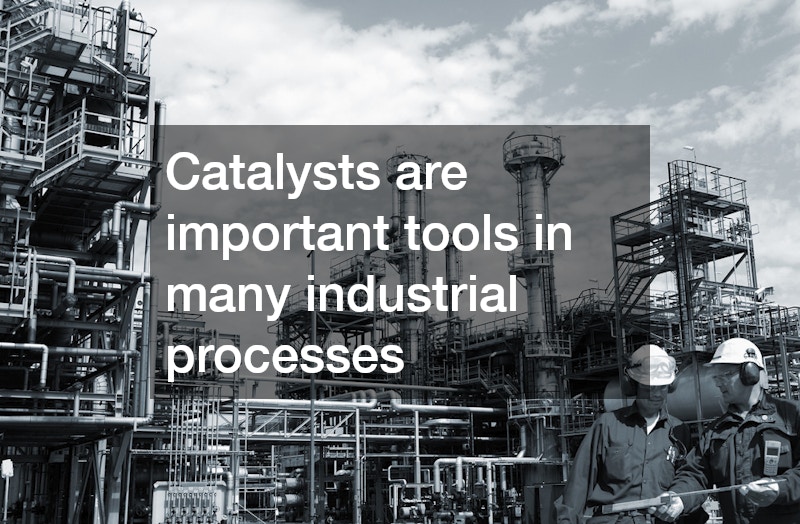


Catalysts play an important role in many industrial processes by helping chemical reactions occur more efficiently. They can improve reaction rates, support desired chemical transformations, and contribute to consistent production. Although catalysts are not typically consumed in the same way as raw materials, they can eventually lose their effectiveness and require replacement or treatment.
Once a catalyst has reached the end of its useful operating life, it can become an important material for industrial recovery and resource management. Understanding how these materials are generated, managed, and potentially recycled can help businesses make informed decisions about industrial operations and waste reduction.
What Is a Spent Catalyst?
A spent catalyst is a catalyst that has been used in an industrial process and has lost enough of its activity or performance that it can no longer effectively serve its original purpose.
Catalysts can become less effective for several reasons. Contaminants may build up on their surfaces, active components may become chemically altered, or physical damage may reduce their ability to support the intended reaction. Operating conditions such as high temperatures, pressure, or exposure to certain chemicals can also affect catalyst performance.
The point at which a catalyst is considered spent depends on the process and the specific material being used. A catalyst does not necessarily become completely inactive. Instead, it may simply no longer meet the performance requirements of the application.
Where Are These Materials Generated?
Catalysts are used across a wide range of industries. Petroleum refining is one major application, where catalysts support processes involved in converting crude oil into useful products.
Chemical manufacturing facilities may also use catalysts to help produce various compounds and materials. Petrochemical operations, environmental treatment processes, and other industrial applications can likewise rely on catalytic technologies.
Because different industries use different catalyst formulations, the resulting materials can vary significantly in composition. Some may contain valuable metals or other components that make recovery worthwhile.
Why Do Catalysts Lose Their Effectiveness?
Several factors can contribute to catalyst deactivation. One common issue is contamination. Materials present in a feedstock can accumulate on the catalyst surface and interfere with the active sites needed for chemical reactions.
Another factor is physical degradation. Repeated exposure to industrial operating conditions can cause catalysts to break down, change shape, or lose surface area.
Chemical changes can also affect performance. Active components may react with other substances in the process or undergo changes that reduce their effectiveness.
In some cases, a catalyst can be regenerated and returned to service. In others, the material may be better suited for recycling or recovery.
How Industrial Processes Use Catalysts
Catalysts are valuable because they can help chemical reactions occur under more practical conditions. By influencing the rate or pathway of a reaction, they can make certain industrial processes more efficient.
For example, catalytic processes may help manufacturers produce desired chemical compounds while reducing the energy or time required for production. Catalysts can also contribute to selectivity, helping processes favor specific chemical products.
Their effectiveness depends on factors such as temperature, pressure, chemical composition, and operating conditions. Maintaining appropriate process conditions can help extend catalyst service life.
What Happens When a Catalyst Reaches the End of Its Life?
When a catalyst can no longer perform effectively, the material is typically removed from the process. The next step depends on its composition, condition, and potential value.
Some catalysts can undergo regeneration. During regeneration, contaminants or deposits may be removed so the material can potentially return to service.
Other materials may be processed to recover valuable components. Certain industrial catalysts contain metals such as nickel, cobalt, molybdenum, vanadium, copper, or precious metals. Recovering these materials can reduce the need for newly mined resources and return useful materials to industrial supply chains.
If recovery or regeneration is not practical, the material must be handled according to applicable waste-management requirements.
Supporting a More Circular Industrial Economy
Resource recovery can contribute to a more circular approach to manufacturing. Instead of treating materials as disposable once their original purpose has ended, businesses can look for opportunities to recover useful components and return them to productive applications.
Spent catalyst management is one example of this approach. Materials that are no longer suitable for their original application may still contain valuable resources.
Recovering these components can help reduce waste and support the continued availability of important industrial materials. It can also complement broader efforts to improve resource efficiency throughout manufacturing and processing operations.
Catalysts are important tools in many industrial processes, helping manufacturers and processors improve reaction efficiency and produce desired materials. Over time, however, catalysts can become contaminated, degraded, or otherwise less effective.
Spent catalyst materials can represent both a management challenge and an opportunity for resource recovery. Depending on their condition and composition, they may be regenerated for further use or processed to recover valuable materials.
As recycling and recovery technologies continue to advance, businesses have more opportunities to manage industrial materials responsibly. Understanding catalyst life cycles, evaluating recovery options, and following appropriate handling requirements can help industries make better use of resources while supporting efficient and responsible operations.