

Recovering from a serious illness is about far more than simply “feeling better.” Whether you’ve experienced heart disease, respiratory complications, diabetes-related health challenges, surgery, chronic fatigue, or hormone imbalance, true recovery requires rebuilding strength at every level—cardiovascular, muscular, metabolic, hormonal, and neurological.
Modern healthcare is shifting toward integrated recovery models. Instead of addressing symptoms in isolation, providers now combine various rehabilitation therapies such as cardiopulmonary rehab, aquatic therapy, IV therapy, bioidentical hormone replacement therapy, and more. This comprehensive approach not only accelerates healing but also restores long-term vitality.
If you or a loved one are navigating recovery, understanding how these services work together can help you create a strategic, personalized plan for regaining strength and independence.
- The New Model of Recovery: Whole-Body Rehabilitation
- The Role of Each Component
- Diabetes Management and Recovery Strength
- Aquatic Therapy: Low-Impact Strength Building
- IV Therapy: Accelerating Cellular Recovery
- Bioidentical Hormone Replacement Therapy: Restoring Balance
- The Importance of Sleep and Its Impact on Recovery
- The Role of Chiropractic Care in Recovery
- How These Therapies Work Together
- Psychological Benefits of Integrated Recovery
- Who Should Consider This Integrated Approach?
- The Power of Localized Care
- Reclaiming Strength, Energy, and Independence
The New Model of Recovery: Whole-Body Rehabilitation
Illness often weakens multiple systems simultaneously:
– Reduced lung capacity
– Weakened heart function
– Muscle atrophy
– Hormonal disruption
– Blood sugar instability
– Poor sleep quality
– Chronic inflammation
– Fatigue and brain fog
Treating only one issue may leave others unresolved. That’s why comprehensive programs—such as local cardiopulmonary rehabs combined with aquatic therapy and hormone optimization—are becoming the gold standard for rebuilding strength.
The Role of Each Component
Cardiopulmonary Rehab: Restoring Heart and Lung Strength
Cardiopulmonary rehab is a medically supervised program designed to improve heart and lung performance after illness, surgery, or chronic disease. Beneficiaries of this program include patients recovering from heart attacks, individuals with COPD or asthma, post-COVID patients, and those with chronic cardiovascular disease.
Many local cardiopulmonary rehabs offer structured programs that include:
– Monitored exercise training
– Respiratory therapy
– Nutrition counseling
– Lifestyle education
– Stress management techniques
Illness reduces endurance and oxygen efficiency. Even short walks may feel exhausting. Cardiopulmonary rehab gradually retrains the heart and lungs to function efficiently again. Important benefits include increased stamina, lower blood pressure, improved circulation, and better oxygen utilization.
Diabetes Management and Recovery Strength
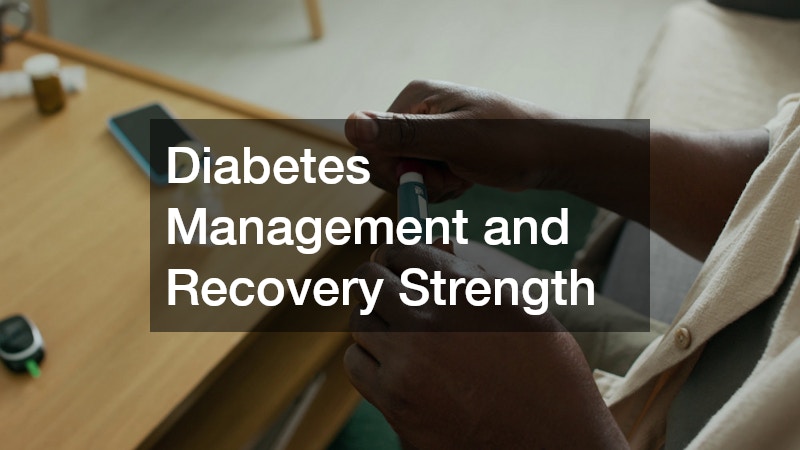
Chronic illness recovery becomes especially complex for individuals managing diabetes. Unstable blood sugar can:
– Slow wound healing
– Increase inflammation
– Reduce energy levels
– Interfere with muscle rebuilding
– Increase cardiovascular risk
Recognizing this, cardiopulmonary rehab improves insulin sensitivity, making it a crucial component of diabetes management.
Aquatic Therapy: Low-Impact Strength Building
Aquatic therapy is one of the most powerful tools in post-illness recovery. Performed in a temperature-controlled pool, it involves using water resistance and buoyancy to support movement. Water reduces body weight pressure by up to 90%, allowing patients to move with less pain, improve joint mobility, rebuild muscle safely, enhance circulation, and reduce swelling.
This therapy complements cardiopulmonary rehab by challenging the respiratory system and strengthening breathing muscles, thereby improving oxygen efficiency.
IV Therapy: Accelerating Cellular Recovery
When the body has endured stress from illness, nutrient depletion is common. Even with a healthy diet, absorption may be impaired. IV therapy delivers vitamins, minerals, and hydration directly into the bloodstream for immediate cellular use, offering rapid hydration, immune system support, reduced inflammation, increased energy, and improved mental clarity.
Bioidentical Hormone Replacement Therapy: Restoring Balance
Serious illness can disrupt hormonal systems, leading to fatigue, mood instability, muscle loss, and other issues. Bioidentical hormone replacement therapy uses compounds structurally identical to hormones naturally produced by the body. By restoring hormonal balance, this therapy helps increase muscle mass, improve bone density, enhance energy levels, and support mental clarity.
The Importance of Sleep and Its Impact on Recovery
Quality sleep is foundational to healing. Many individuals recovering from heart or lung conditions suffer from undiagnosed sleep disorders. Conditions like obstructive sleep apnea can lead to reduced oxygen levels overnight, increased blood pressure, and impaired blood sugar control.
Addressing sleep health should be a priority in your recovery plan. Seeking evaluation from a local sleep apnea center can reveal underlying issues that, when treated, can significantly improve your overall recovery process.
The Role of Chiropractic Care in Recovery
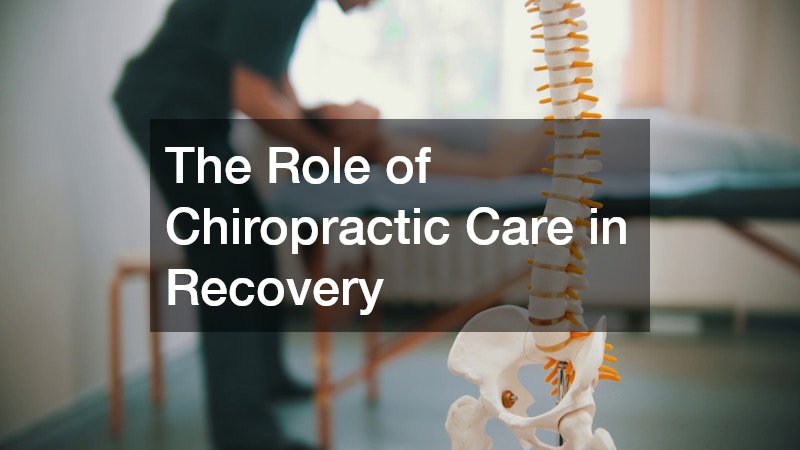
Chiropractors can assist in recovery by improving spinal alignment and enhancing nervous system communication. Many individuals ignore the importance of structural alignment during recovery. After prolonged illness or bed rest, posture and joint stiffness often worsen. Regular chiropractic adjustments not only promote better alignment but also contribute to reduced musculoskeletal pain and increased mobility.
How These Therapies Work Together
Individually, each therapy provides unique benefits. However, together, they create a comprehensive recovery strategy that enhances each other’s effectiveness. For instance, cognitive-behavioral therapy (CBT) can address negative thought patterns, while mindfulness practices foster present-moment awareness and emotional regulation. By integrating these approaches, individuals can experience a more holistic healing process, as they learn not only to identify and challenge unhelpful beliefs but also to develop coping mechanisms that promote stress reduction. Furthermore, combining therapies encourages a deeper understanding of oneself, leading to enhanced motivation and commitment to the recovery journey. This integrative approach ultimately empowers individuals to achieve lasting transformation and well-being.
Step 1: Stabilize and Assess
This initial step involves cardiovascular evaluations, hormone testing, sleep studies, metabolic screening, and mobility assessments to create a personalized recovery plan. Each of these assessments serves a critical role in understanding the unique health profile of the individual. Cardiovascular evaluations help to identify any underlying heart conditions that may affect recovery, while hormone testing can reveal imbalances that impact energy levels and overall well-being. Sleep studies are essential for diagnosing sleep disorders that could hinder progress. Metabolic screening assesses how well the body processes nutrients, and mobility assessments evaluate physical capabilities and limitations. Together, these evaluations inform targeted interventions for effective rehabilitation and long-term health maintenance.
Step 2: Build Foundational Strength
Starting with cardiopulmonary rehab and aquatic therapy, alongside a structured diabetes management program, forms the groundwork of recovery. These integrated approaches not only enhance physical strength and endurance but also play a crucial role in improving overall well-being. Cardiopulmonary rehab focuses on restoring heart and lung function, essential for those with respiratory or cardiovascular concerns. Aquatic therapy provides a low-impact environment, reducing strain on joints while promoting flexibility and balance. Meanwhile, the structured diabetes management program ensures that patients are equipped with knowledge about nutrition, medication, and blood sugar monitoring. Together, these components create a comprehensive strategy, fostering independence and empowering individuals on their healing journey.
Step 3: Optimize Internal Systems
Implementing IV therapy for nutrient support, initiating bioidentical hormone replacement therapy or low T therapy as necessary, and addressing sleep apnea through a local sleep center are essential for creating an environment conducive to healing. It’s also important to evaluate dietary habits and make necessary changes to ensure a balanced intake of vitamins and minerals. Engaging in regular physical activity, tailored to your capacity, will further benefit your internal systems by improving circulation and overall metabolic health. Collaborating with healthcare professionals to create a personalized wellness plan can significantly enhance healing and recovery processes, ensuring that all systems work harmoniously.
Step 4: Refine and Strengthen
Continuing progressive rehab therapies, incorporating chiropractic adjustments, and monitoring hormone and metabolic markers will help you maintain and enhance the progress made in recovery. Additionally, integrating mindfulness practices such as yoga or meditation can support mental clarity and emotional well-being, which are critical for holistic recovery. Consider participating in support groups or therapy to foster a positive mindset and resilience throughout your journey. Regular follow-ups with your healthcare provider to reassess your progress and adjust your recovery plan is vital to ensure you’re on the right path and making the necessary adjustments as you advance.
Psychological Benefits of Integrated Recovery

Physical recovery also has profound effects on mental health. Engaging in an integrated recovery approach can lead to:
– Increased confidence
– Reduced anxiety
– Improved mood
– Greater independence
Exercise releases endorphins, boosting mood and emotional stability, while improved hormone balance and better sleep support cognitive clarity. Regular physical activity not only elevates your mood but also helps reduce stress and anxiety levels, making it a powerful tool for mental health. Engaging in different forms of exercise, from cardio to strength training, can enhance your overall sense of well-being. Furthermore, by promoting better circulation and oxygen flow to the brain, exercise aids in sharper focus and improved memory. Establishing a consistent workout routine fosters discipline and resilience, which can translate to other areas of life and contribute to overall happiness and fulfillment.
Long-Term Maintenance
Recovery does not end when symptoms subside. Maintaining strength over time requires continued exercise, regular metabolic monitoring, hormone reassessment, nutritional optimization, and sleep tracking. It’s essential to establish a routine that incorporates these elements consistently. Engaging in diverse physical activities not only supports muscle maintenance but also enhances overall well-being. Regular check-ins with healthcare professionals can provide valuable insights into metabolic health and hormone levels, allowing for timely adjustments to one’s regimen. Additionally, prioritizing a balanced diet rich in essential nutrients can optimize bodily functions and energy levels. Sleep, often overlooked, plays a crucial role in the body’s recovery processes and should be a key focus in any wellness strategy. Monitoring all these factors holistically can lead to better long-term health outcomes and a more resilient lifestyle.
Who Should Consider This Integrated Approach?
This comprehensive plan may benefit individuals who:
– Recently experienced heart or lung illness
– Struggle with diabetes management
– Feel persistently fatigued
– Have hormonal imbalances
– Are recovering from surgery
– Experience reduced stamina
– Have sleep disturbances
The Power of Localized Care
Choosing local cardiopulmonary rehabs, trusted chiropractors, and sleep centers can ensure continuity of care and facilitate effective communication among providers. When professionals collaborate, the collective effort maximizes recovery speed, ensuring that progress is more meaningful and lasting. This integrated approach allows healthcare providers to tailor treatments based on individual circumstances, preferences, and responses, promoting a holistic view of health and well-being. By keeping care within the community, patients benefit from personalized attention and coordinated services, making it easier to access the support they need.
Reclaiming Strength, Energy, and Independence
Rebuilding after illness is not merely about returning to your previous state—it’s about establishing an even stronger foundation for the future. By combining:
– Cardiopulmonary rehab
– Aquatic therapy
– IV therapy
– Bioidentical hormone replacement therapy
– Low T therapy
– Diabetes management strategies
– Sleep optimization
– Chiropractic support
Individuals can accelerate their healing processes, restore their energy levels, and reclaim their independence. In addition, focusing on overall wellness—like nutrition, mental health, and stress reduction—can enhance resilience, empowering individuals to take control of their health journeys. The ultimate goal is to foster a transformative experience that not only promotes recovery but also encourages lifelong habits for sustained well-being. With dedication and the right support, individuals can emerge from their challenges with renewed vigor and a positive outlook on life, ready to embrace the future with confidence.
Illness may disrupt your life, but it does not define your future. Embracing a comprehensive plan that integrates diverse rehab therapies provides a powerful pathway forward. Remember that recovery is a journey, not a sprint. Each step you take, no matter how small, contributes to your healing process and personal growth. Surround yourself with supportive friends and family who uplift and encourage you along the way. Celebrate your milestones, for they are testament to your resilience and determination. Take time to understand your body’s needs and listen to your emotions. By cultivating a positive mindset and seeking help when needed, you can transform your challenges into opportunities for growth and renewal.
Your body possesses an extraordinary capacity to heal. With the right support system, you can rebuild your strength, restore balance, and confidently navigate toward the next chapter in your life. Each day is an opportunity for transformation and renewed vitality. Take the first steps today toward a brighter, healthier tomorrow. Embracing this journey involves not just physical healing but mental and emotional growth as well. Surround yourself with positive influences, whether it’s friends, family, or professionals who uplift and guide you. Nourish your body with wholesome foods, engage in regular exercise, and practice mindfulness to promote a holistic sense of well-being. Acknowledge and celebrate your progress, no matter how small, as each step forward contributes to your overall resilience. Trust in your ability to overcome obstacles, and remember that healing is not just a destination but a lifelong journey of self-discovery and empowerment.
