

Metal plays a critical role in nearly every type of construction project, from residential homes to large-scale commercial and agricultural builds. Its strength, durability, and versatility make it one of the most reliable materials in modern construction. Whether you’re planning a new development or maintaining an existing structure, understanding how different metal components contribute to the process can help ensure long-term performance and safety.
Below is a comprehensive look at the essential metal elements used across construction projects and how they come together to support everything from structural integrity to finishing details.
- The Foundation of Modern Construction Materials
- Custom Fabrication for Structural Strength
- Structural Framework and Building Systems
- Agricultural Applications and Rural Construction
- Drainage and Infrastructure Systems
- Mechanical Connections and Flow Systems
- Supporting Components in Equipment and Systems
- Exterior Features and Property Boundaries
- Roofing Systems and Long-Term Maintenance
- Residential Construction and Modern Housing
- Sustainability and the Future of Metal in Construction
- Where Strength Meets Innovation
The Foundation of Modern Construction Materials
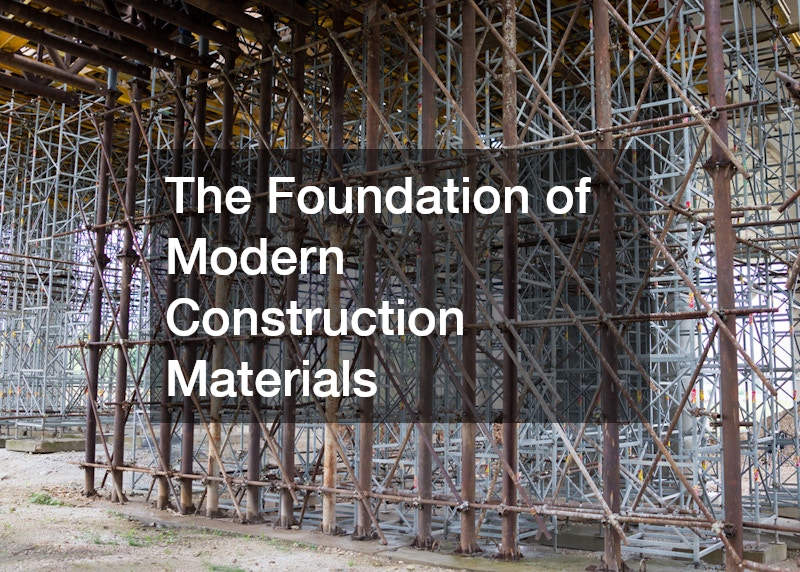
Every successful build starts with sourcing high-quality materials. A dependable construction material supplier is often the backbone of any project, ensuring that builders have access to the right metals for each phase of construction. From raw steel to prefabricated components, the quality of materials directly impacts the durability and lifespan of a structure.
Suppliers provide a wide range of products, including beams, pipes, fasteners, and specialty components. Working with a trusted source also ensures consistency across materials, which is especially important for projects that require precise engineering and compliance with building codes. In many cases, suppliers also offer guidance on material selection, helping contractors choose metals that align with specific environmental conditions, such as coastal humidity or extreme temperature fluctuations.
Custom Fabrication for Structural Strength
Not all construction components come off the shelf. Many projects rely on stainless steel fabrication to create custom parts that meet specific design and structural requirements. This process involves cutting, shaping, and assembling steel into components that can withstand environmental stress and heavy loads.
Custom fabrication is particularly important in projects that involve unique architectural features or specialized industrial needs. Stainless steel is favored for its corrosion resistance, making it ideal for both indoor and outdoor applications where longevity is a priority. Fabrication also allows for tighter tolerances and better integration with other building systems, ensuring that each component fits precisely into the overall design.
Structural Framework and Building Systems
Metal is often the primary material used in framing and structural systems. A metal building offers a strong, adaptable solution for commercial, industrial, and even residential construction. These structures are designed to be durable, cost-effective, and quick to assemble.
Steel framing systems are resistant to pests, fire, and extreme weather conditions, making them a popular choice for long-term investments. They also allow for large open spaces without the need for excessive interior supports, which is ideal for warehouses, workshops, and retail environments. Additionally, metal structures can be engineered for energy efficiency, incorporating insulation systems and reflective roofing materials that help regulate interior temperatures.
Agricultural Applications and Rural Construction
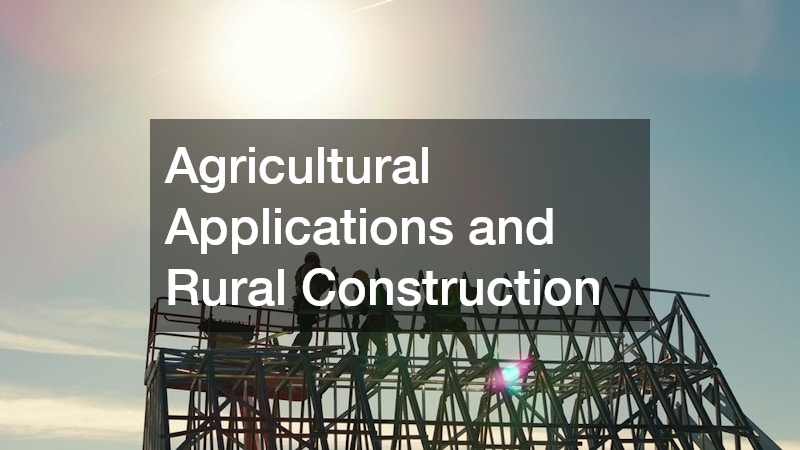
In rural and agricultural settings, metal plays a key role in building durable and functional structures. A barn builder often relies on steel components to construct barns that can withstand harsh weather conditions and daily use.
Metal barns provide better protection against moisture, pests, and fire compared to traditional wood structures. They also require less maintenance over time, making them a practical choice for farmers and property owners looking for reliable, long-lasting solutions. Beyond barns, metal is also used for equipment storage, livestock enclosures, and other agricultural facilities where durability is essential.
Drainage and Infrastructure Systems
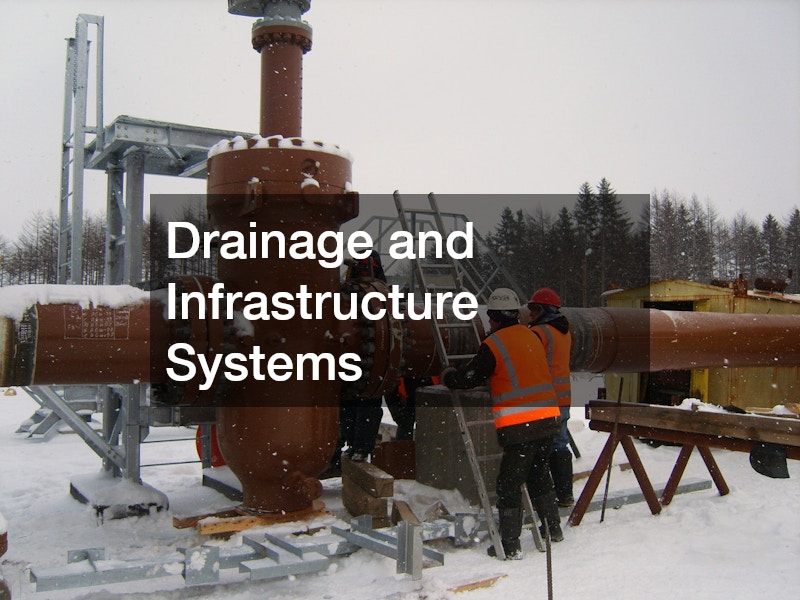
Proper drainage is essential for maintaining the integrity of any construction project. Corrugated metal pipe is commonly used in drainage systems due to its strength and ability to handle high volumes of water.
These pipes are designed to resist corrosion and withstand heavy loads, making them suitable for use under roadways, driveways, and building foundations. Effective drainage systems help prevent water damage, soil erosion, and structural instability, all of which can lead to costly repairs if not addressed early. In large-scale developments, these systems are carefully engineered to manage stormwater runoff and protect surrounding landscapes.
Beyond their core function, these pipes are available in a variety of diameters, coatings, and thicknesses to meet the specific needs of different construction environments. Galvanized and polymer-coated options provide additional protection against rust and environmental wear, extending the lifespan of the system even in harsh conditions such as areas with high moisture or acidic soil. This adaptability makes them a reliable choice for both small residential projects and large infrastructure developments.
Installation flexibility is another key advantage. Corrugated designs allow the pipe to maintain strength while remaining relatively lightweight, making transportation and installation more efficient. Contractors can more easily maneuver and position these pipes on-site, reducing labor time and costs. Their interlocking design also ensures secure connections between sections, minimizing the risk of leaks or displacement over time.
In addition to traditional drainage applications, these systems are often used in culverts, retention systems, and stormwater management solutions. They play a critical role in redirecting water away from structures and preventing pooling that could weaken foundations. In regions prone to heavy rainfall or flooding, properly installed drainage systems can significantly reduce the risk of property damage and long-term structural issues.
Ultimately, investing in high-quality drainage components is not just about managing water—it’s about protecting the entire structure. A well-designed system using durable materials ensures that buildings remain stable, landscapes stay intact, and maintenance costs are kept to a minimum over the life of the project.
Mechanical Connections and Flow Systems
Behind the walls and beneath the surface, metal components play a vital role in connecting systems and ensuring smooth operation. Metal flanges are used to join pipes, valves, and other equipment, creating secure and leak-resistant connections.
These components are essential in plumbing, HVAC, and industrial systems where precision and durability are critical. Properly installed flanges help maintain pressure, prevent leaks, and allow for easier maintenance and system modifications. Their role may not be visible, but they are fundamental to the reliability of modern infrastructure.
In addition to flanges, a wide range of other metal connectors and support components work together to keep these systems functioning efficiently. Couplings, fittings, brackets, and fasteners are all used to secure piping networks and mechanical systems in place. These parts must be carefully selected based on factors such as pressure ratings, temperature exposure, and the type of materials being transported through the system. Even minor inconsistencies in these components can lead to inefficiencies or failures, which is why quality and compatibility are so important.
Gaskets and seals are often paired with flanges to enhance their performance, providing an extra layer of protection against leaks. These elements help create a tight seal between connected surfaces, especially in systems that handle liquids, gases, or chemicals under pressure. Bolts and studs are also critical, as they hold flange connections together and ensure even distribution of force across the joint. Without proper fastening, even the strongest flange connection could become compromised over time.
Support systems such as hangers and anchors are equally important in maintaining the stability of piping networks. These components prevent excessive movement, reduce vibration, and protect connections from stress-related damage. In large-scale systems, expansion joints may also be used to accommodate thermal expansion and contraction, preventing cracks or misalignment.
Together, these interconnected metal components form a reliable network that allows essential systems to operate safely and efficiently. While they may not be immediately visible, their combined function is crucial in supporting the performance and longevity of modern construction projects.
Supporting Components in Equipment and Systems
Construction projects often involve machinery and equipment that rely on smaller yet equally important metal parts. Coil springs manufacturers produce components that are used in a variety of applications, including mechanical systems, vehicles, and construction equipment.
These springs are designed to absorb shock, maintain tension, and support movement within systems. Without them, many machines would not function properly, highlighting the importance of even the smallest metal components in the overall construction process. Their presence ensures smoother operation, reduces wear and tear, and contributes to overall safety on job sites.
Exterior Features and Property Boundaries
Once the main structure is complete, attention turns to exterior elements that enhance both functionality and appearance. A fence builder often uses metal materials to create durable and secure fencing solutions for residential, commercial, and agricultural properties.
Metal fencing offers a balance of strength and aesthetic appeal. It can be customized to match the design of the property while providing security and defining boundaries. Unlike wood, metal fencing is resistant to rot, insects, and weather-related damage, making it a long-term investment that requires minimal upkeep.
Roofing Systems and Long-Term Maintenance
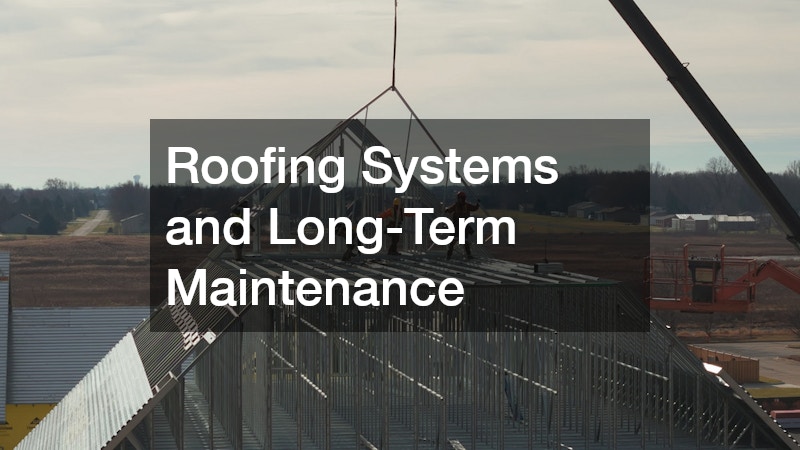
The roof is one of the most critical parts of any building, protecting the structure from the elements. Over time, even the most durable materials may require maintenance. Roof repair is an essential service that ensures the longevity and performance of roofing systems.
Metal roofing is known for its durability and resistance to extreme weather conditions. However, regular inspections and timely repairs are necessary to address issues such as leaks, corrosion, or damage from debris. Proper maintenance helps extend the life of the roof and prevent more significant structural problems, especially in regions prone to storms or heavy snowfall.
Residential Construction and Modern Housing
In the residential sector, metal continues to play an increasingly important role. New home construction often incorporates metal components for framing, roofing, plumbing, and more.
Steel framing, in particular, is gaining popularity due to its strength, precision, and resistance to environmental factors. Homeowners benefit from reduced maintenance costs and improved structural integrity, while builders appreciate the efficiency and consistency that metal materials provide. Metal is also commonly used in modern design elements, such as exposed beams, stair railings, and fixtures that add a sleek, contemporary look.
Beyond structural and aesthetic applications, metal is also valued for its ability to improve energy efficiency within homes. Reflective metal roofing, for example, can help reduce heat absorption, keeping interiors cooler in warmer climates and lowering energy costs over time. Insulated metal panels are another innovation that enhances thermal performance while maintaining durability, making them a smart choice for homeowners looking to balance comfort and efficiency.
Metal also contributes to improved safety in residential construction. Unlike wood, steel does not warp, crack, or attract pests like termites, which can compromise the integrity of a home over time. Its fire-resistant properties provide an added layer of protection, which is particularly valuable in areas prone to wildfires or extreme heat. These advantages make metal a reliable option for homeowners who prioritize long-term stability and peace of mind.
Additionally, the precision of metal components allows for faster construction timelines. Prefabricated steel parts can be manufactured off-site and assembled quickly on location, reducing labor costs and minimizing delays. This streamlined approach benefits both builders and homeowners, especially in competitive housing markets where efficiency is key.
As architectural trends continue to evolve, metal is also playing a larger role in customization and design flexibility. From minimalist interiors to industrial-inspired finishes, metal elements can be adapted to suit a wide range of styles. This versatility ensures that metal will remain a cornerstone of residential construction, offering both functional and visual advantages for years to come.
Sustainability and the Future of Metal in Construction
As the construction industry continues to evolve, sustainability has become a key consideration. Metal stands out as one of the most environmentally friendly building materials available. Many metal components are made from recycled materials and can be recycled again at the end of their lifecycle without losing quality.
This makes metal an ideal choice for builders and developers looking to reduce their environmental impact. Additionally, advancements in manufacturing processes are making metal production more energy-efficient, further enhancing its sustainability benefits. As green building practices become more widespread, metal will continue to play a central role in shaping the future of construction.
Where Strength Meets Innovation
Walk onto any job site, and you’ll find metal quietly doing the heavy lifting—often out of sight, but never out of importance. It forms the skeleton of towering structures, channels water away from foundations, supports machinery, and protects what’s inside from the outside world. It’s both the visible strength in beams and panels and the hidden reliability in connectors, fasteners, and internal systems.
What makes metal truly indispensable is not just its strength, but its adaptability. It evolves alongside design trends, construction methods, and environmental demands. Whether it’s a rural structure built to endure the elements, a modern home designed for efficiency, or a large-scale facility requiring precision engineering, metal provides the consistency that builders depend on.
In many ways, metal is the quiet partner in every successful project. It doesn’t just support construction—it enables it. And as building practices continue to advance, its role will only grow more integral, shaping not just how we build, but how those structures perform for generations to come.
