


Getting hurt on someone else’s property can leave you with medical bills, lost wages, and a lot of confusing questions about who is actually responsible for covering the damage. Property owners, tenants, insurance companies, and even the injured person can all share a piece of the financial responsibility depending on the circumstances. Understanding how liability works before you sign anything or accept a settlement offer can make a real difference in your financial recovery.
This article breaks down the key factors that determine who pays after an accident on someone else’s property.
Determining Legal Responsibility for Property Hazards
Property owners have a legal duty to keep their premises reasonably safe for visitors, but that duty varies depending on why the injured person was there in the first place. Courts generally classify visitors as invitees, licensees, or trespassers, and each category carries a different level of protection under the law. An invitee, such as a shopper in a store, is owed the highest duty of care, while a trespasser is owed very little in most situations. Figuring out which category applies to your situation is often the first step in determining whether the owner can be held financially responsible.
Liability also depends on whether the owner knew, or should have known, about the hazard that caused the injury. If a spill sat on a tile floor for an hour without being cleaned up or marked with a warning sign, that delay can be used as evidence of negligence. On the other hand, if the hazard appeared moments before the accident, the owner may not be held responsible at all.
Homeowners Insurance and Liability Coverage
Most residential accidents are covered under the property owner’s homeowners or renters insurance policy, specifically under the liability portion of the coverage. This type of policy typically pays for medical expenses, lost income, and sometimes pain and suffering when a guest is injured due to a hazard the homeowner failed to address. Insurance adjusters will investigate the scene, review any photos or witness statements, and decide how much the claim is worth based on the evidence presented.
It is worth noting that insurance companies are businesses first, and their goal is to minimize payouts whenever possible. Claims adjusters may ask recorded questions designed to shift blame onto the injured party, so it helps to know your rights before giving a statement.
- Homeowners policies often include $100,000 to $500,000 in liability coverage
- Medical payments coverage may apply regardless of fault, up to a smaller limit
- Renters insurance can also provide liability protection for tenants with guests
- Claims are typically filed against the property owner’s policy, not their personal assets
Commercial Property Owner Obligations
Businesses face a higher standard of care than most private homeowners because they invite the general public onto their premises for profit. Grocery stores, restaurants, and shopping centers are expected to conduct regular inspections, train employees to spot hazards, and respond quickly to spills, broken fixtures, or uneven flooring. When a business fails to meet this standard, its general liability insurance is usually the first source of payment for the injured party’s damages.
Many people underestimate how much documentation matters in these cases, since surveillance footage, incident reports, and maintenance logs often become central evidence. Consulting personal injury lawyers early in the process can help preserve this evidence before a business has a chance to lose or alter it. Acting quickly after a commercial accident gives you a much stronger position when negotiating with the business’s insurance carrier.
Slip and Fall Claims on Wet or Uneven Surfaces
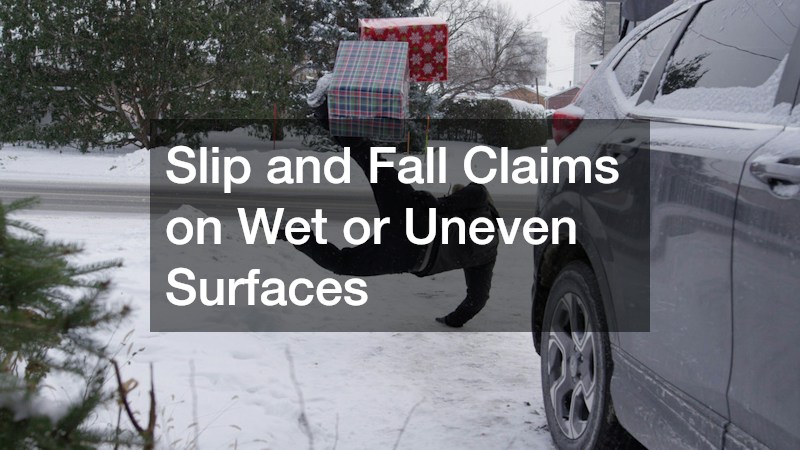
Slip and fall accidents are among the most common premises liability claims, and they can happen on wet floors, icy sidewalks, loose rugs, or broken stairs. Proving fault in these cases often comes down to showing that the property owner knew about the hazard and failed to fix it within a reasonable time. Weather-related hazards like ice and snow add another layer of complexity, since many states have specific rules about how quickly a property owner must clear walkways after a storm.
Because these cases hinge on small details like lighting, floor markings, and timing, many injured individuals choose to work with the best slip and fall attorney they can find rather than negotiating alone. An experienced lawyer knows how to gather surveillance footage, interview witnesses, and calculate the full value of medical and future care costs. This kind of support can be the difference between a lowball settlement offer and one that actually covers your long-term needs.
Construction Site Accidents and Multiple Responsible Parties
Accidents on construction sites tend to be more complicated than a typical slip and fall because multiple parties may share responsibility for the same incident. General contractors, subcontractors, equipment manufacturers, and property owners can all play a role in causing an injury, which means figuring out who pays often requires untangling several contracts and safety records. Workers injured on the job may also need to navigate workers compensation claims alongside any third-party liability claims against other responsible companies.
Because of this layered responsibility, injured workers and visitors often benefit from hiring a construction accident lawyer who understands how to identify every liable party. These cases frequently involve detailed safety code violations, equipment inspection records, and subcontractor agreements that an untrained eye might miss. Getting the right legal guidance early can prevent a worker from settling for less than the full cost of their injury.
- General contractors may be liable for unsafe site conditions
- Equipment manufacturers can be held responsible for defective tools or machinery
- Property owners may share liability if they ignored known safety violations
- Workers compensation and third-party claims can sometimes be pursued together
Steps to Protect Your Right to Compensation
What you do in the minutes and days after an accident can significantly affect your ability to recover compensation later. Taking photos, gathering witness contact information, and reporting the incident to the property owner or manager creates a paper trail that supports your version of events. Seeking medical attention immediately, even for injuries that seem minor at first, also helps establish a clear link between the accident and your injuries.
Avoid posting about the accident on social media or giving recorded statements to an insurance company before you understand the full scope of your injuries. Insurance adjusters often use casual comments against injured claimants, so it is wise to stay cautious during the early stages of a claim.
- Report the accident in writing to the property owner or manager
- Photograph the hazard, your injuries, and the surrounding area
- Keep copies of medical bills, receipts, and missed work documentation
- Avoid signing any settlement offer before understanding your total damages
Conclusion
Figuring out who pays after an accident on someone else’s property depends on several moving parts, including the type of property, the nature of the hazard, and the insurance coverage involved. While some claims resolve quickly through an insurance settlement, others require a deeper investigation to identify every responsible party. Taking the right steps early, from documenting the scene to seeking professional guidance, puts you in a stronger position to recover what you truly deserve. If you are unsure where you stand, consulting a qualified professional can help clarify your options before you make any major decisions.
