
Manufacturing facilities must balance production quality, operational efficiency, workplace safety, and long-term maintenance to remain competitive. From equipment performance and building insulation to structural improvements and environmental compliance, every aspect of a facility can influence productivity. Investing in modern solutions helps manufacturers reduce downtime, protect machinery, improve working conditions, and create dependable environments for employees.
Facility managers can improve performance by combining preventive maintenance with energy-efficient construction and reliable infrastructure. Whether upgrading an existing factory or developing a new manufacturing site, thoughtful decisions about building materials, mechanical systems, and specialized services can produce meaningful long-term benefits.
Improving Equipment Reliability and Production Performance
Manufacturing quality depends on equipment that performs consistently under demanding conditions. Machinery failures can interrupt production, delay customer orders, and increase maintenance expenses. Establishing preventive maintenance schedules helps facilities identify developing problems before they result in expensive breakdowns.
Maintenance programs should include routine inspections, lubrication, calibration, and performance monitoring. Modern sensors can track operating temperatures, vibration levels, and pressure, helping technicians identify potential issues before equipment fails.
Facilities that operate diesel-powered vehicles, generators, and industrial equipment must also maintain emissions-control components. Diesel particulate filters capture soot from exhaust gases, but accumulated material can restrict airflow and interfere with engine performance. Professional cleaning and inspection can help preserve efficiency and prevent unnecessary service interruptions.
Working with providers of local diesel particulate filter services can help manufacturers establish maintenance schedules suited to their equipment and operating demands. Professional technicians can assess filter condition and determine whether cleaning or replacement is appropriate. Consistent attention to emissions systems also supports compliance with applicable environmental requirements. Regular maintenance through local diesel particulate filter services helps manufacturers reduce equipment downtime, maintain emissions compliance, and improve the performance of diesel-powered machinery.
Manufacturers can further improve equipment reliability by maintaining detailed service records and tracking recurring failures. Reviewing repair histories helps maintenance teams identify components that require more frequent attention and determine whether replacement would be more economical than continued repairs. Coordinating service schedules with production managers also reduces the likelihood that maintenance activities will interrupt important manufacturing runs.
Strengthening Building Performance Through Better Insulation
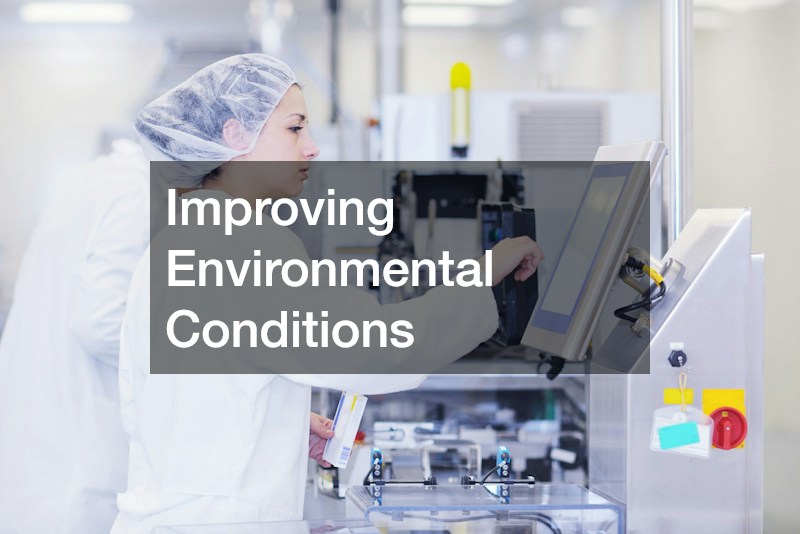
A manufacturing facility’s indoor environment can significantly influence employee comfort, equipment operation, and energy consumption. Poor insulation allows unwanted heat transfer, forcing heating and cooling systems to work harder to maintain appropriate temperatures.
Modern insulation materials can reduce heat loss during colder weather and limit heat gain during warmer months. Material selection should reflect building construction, moisture exposure, fire-safety requirements, and the facility’s intended use.
Spray foam insulation is one option for addressing air leakage and insulating irregular spaces. Depending on the product and installation method, it can expand into gaps around framing and other openings where conventional materials may leave spaces. This can make it useful in certain industrial applications, although suitability depends on building conditions and applicable fire-protection requirements. Spray foam insulation also helps manufacturing facilities improve energy efficiency by reducing air leaks, stabilizing indoor temperatures, and lowering heating and cooling costs.
Qualified contractors and providers of insulation services can determine whether spray foam is appropriate and identify areas that would benefit most from improved thermal performance. Comprehensive insulation services may also address roofs, ceilings, loading areas, and mechanical spaces.
Facility managers should assess existing insulation, review energy bills, and identify areas with inconsistent temperatures. Prioritizing improvements according to expected energy savings and operational benefits can help manufacturers control expenses without unnecessary disruptions.
Ventilation should also be considered when upgrading a building’s thermal envelope. Manufacturing processes may generate heat, moisture, fumes, or airborne particles that require appropriate ventilation and air-management systems. Insulation improvements should complement these systems rather than interfere with necessary air exchange. A coordinated approach can support comfortable working conditions while helping the facility manage its energy consumption.
Creating Stable Floors for Heavy Industrial Operations
Industrial flooring must withstand heavy machinery, repeated forklift traffic, material handling, and exposure to oils or cleaning chemicals. Uneven or deteriorating floors can interfere with equipment alignment, increase wear, and create trip hazards.
Manufacturers should inspect concrete slabs for cracks, settlement, surface deterioration, and elevation changes. These problems may develop because of soil movement, moisture intrusion, inadequate preparation, or changing equipment loads. Identifying the underlying cause is essential before selecting a repair method.
Professional floor leveling can correct uneven surfaces and create more consistent conditions for machinery, storage systems, and material-handling operations. Depending on the problem or how “off” the floor leveling is, contractors may use specialized leveling compounds, concrete repairs, or other engineered solutions.
Level floors are particularly important in facilities that use automated guided vehicles, robotic systems, and precision machinery. Even small elevation differences can affect equipment movement and alignment. Regular inspections and appropriate repairs help maintain safe working conditions while supporting reliable production.
Flooring materials should also match the activities taking place in each area. Some production spaces need surfaces that resist chemical exposure, while others require abrasion resistance or finishes that simplify cleaning. Clearly defined maintenance procedures can help employees identify spills, damaged coatings, and surface defects before these issues affect operations. Addressing flooring problems early can reduce repair costs and extend the useful life of the facility.
Selecting Durable Materials for Industrial Buildings
The exterior of a manufacturing facility protects employees, equipment, products, and stored materials from weather exposure. Building-envelope decisions can influence maintenance costs, energy performance, and structural durability.
Modern architectural metal panels offer a practical option for many industrial buildings. Depending on the architectural metal panels selected, they can provide weather resistance, design flexibility, and relatively straightforward maintenance. Different profiles, finishes, and materials allow facility owners to choose products suited to their operational requirements.
Proper installation is essential because poor detailing, inadequate flashing, and failing sealants can allow water intrusion. Manufacturers should evaluate panel systems according to local weather conditions, corrosion exposure, fire requirements, and thermal performance.
Coordinating exterior improvements with roofing, drainage, and insulation projects can also improve overall building performance. Combining related upgrades may reduce repeated construction expenses and minimize interruptions to production.
The building envelope should be inspected regularly for damaged panels, deteriorating sealants, loose fasteners, and signs of moisture intrusion. Water entering through the exterior can damage stored materials, affect interior finishes, and create conditions that require additional repairs. A documented inspection schedule helps facility managers identify maintenance needs and prioritize work according to its potential impact on operations.
Improving Access and Safety Around the Facility
Manufacturing efficiency depends on more than the equipment inside a building. Parking areas, delivery routes, pedestrian walkways, and loading zones all contribute to the safe movement of people and materials.
Professional parking lot paving helps establish durable surfaces for employees, delivery trucks, and industrial vehicles. Proper parking lot paving should account for traffic volumes, drainage, soil conditions, and the weight of vehicles using the property.
Facility managers should inspect paved surfaces for potholes, cracks, and standing water. Timely repairs can help prevent further deterioration and reduce the risk of vehicle damage. Clear traffic markings, designated loading zones, and pedestrian crossings can also improve movement around busy facilities.
Elevated walkways, platforms, and stairs require additional attention. Professional aluminum railing services can help manufacturers install or maintain railing systems around stairs, ramps, and elevated work areas. Aluminum railing services may be suitable for these applications because it is relatively lightweight and corrosion-resistant.
Railings should meet applicable building codes and workplace safety requirements. Regular inspections can identify loose fasteners, damaged connections, and other conditions that require repair. Maintaining safe access routes helps protect employees and supports efficient facility operations.
Manufacturers should also consider how delivery vehicles enter and exit the property. Adequate turning space, unobstructed loading zones, and clear directional signs can help reduce congestion during busy production periods. Separating pedestrian routes from vehicle traffic where practical can further improve site safety. These exterior improvements support a more organized environment for employees, visitors, suppliers, and transportation providers.
Planning Industrial Projects With Accurate Site Information
Successful facility improvements begin with understanding the conditions beneath and around a building. Soil composition, groundwater levels, buried utilities, and foundation characteristics can affect the feasibility of construction and equipment installations.
Manufacturers planning expansions, foundation modifications, or utility upgrades should gather reliable site information before work begins. Inadequate preparation can lead to unexpected expenses, structural complications, and scheduling delays.
Experienced local drilling companies can provide specialized services that help project teams understand subsurface conditions. Depending on their capabilities, local drilling companies may conduct geotechnical investigations, soil sampling, or groundwater monitoring. The resulting information helps engineers develop appropriate construction plans.
These assessments are particularly important when installing heavy production machinery or constructing foundations that must support substantial loads. Project teams should also coordinate utility locating before drilling or excavation to reduce the risk of damaging electrical lines, gas services, and water pipes.
Involving engineers, contractors, and operations personnel early helps identify access limitations and schedule construction around production demands. Thorough planning reduces uncertainty and supports more efficient project completion.
Project managers should establish clear timelines, budgets, and responsibilities before construction begins. They should also identify which production areas may need temporary closures and determine how materials and workers will move through the facility. Regular communication between contractors and plant personnel helps resolve scheduling conflicts before they create delays. These measures are especially valuable when multiple upgrades must be completed within a limited maintenance window.
Choosing Reliable Components for Industrial Piping
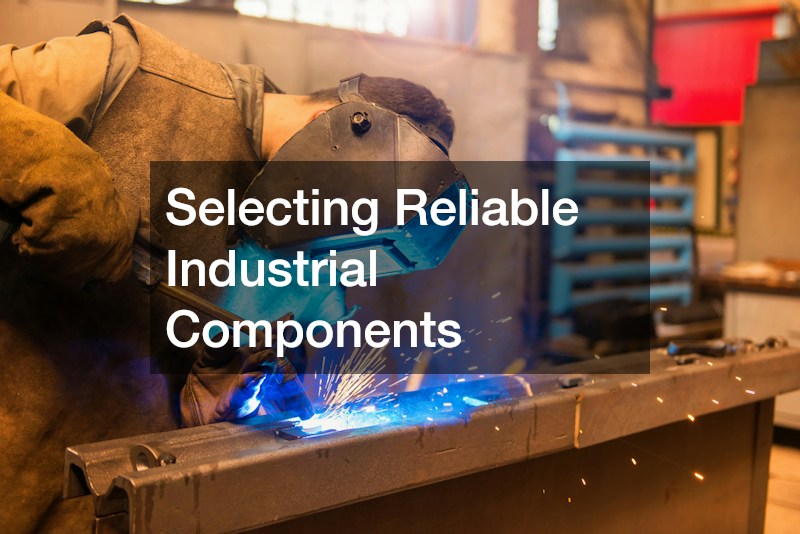
Piping networks support manufacturing activities such as cooling, heating, fluid transfer, and compressed air distribution. Their reliability depends on selecting compatible materials and fittings that meet operating pressure and temperature requirements.
Nonferrous pipe fittings are made from metals other than iron-based materials. Nonferrous pipe fittings with copper, brass, and certain aluminum alloys may offer advantages such as corrosion resistance, reduced weight, or thermal conductivity in suitable applications.
Selecting the right fittings requires attention to the transported substance, operating conditions, and potential exposure to corrosive agents. A material that performs well in one system may be unsuitable for another, making engineering specifications essential.
Proper installation and testing help reduce leaks that could waste resources, damage equipment, or interrupt production. Maintaining accurate piping diagrams and equipment records also helps technicians locate components and plan repairs efficiently.
Where piping systems handle hazardous substances or operate under demanding conditions, additional engineering reviews and inspections may be necessary. Following applicable codes and industry standards supports system reliability and workplace safety.
Manufacturers can strengthen piping maintenance by inspecting valves, joints, supports, and connections for visible damage or unusual operating conditions. Monitoring pressure changes and investigating unexplained fluid losses may help identify problems before they become major failures. Keeping commonly needed replacement components available can also shorten repair times when a critical section of the system requires attention.
Managing Environmental Hazards During Facility Upgrades
Older manufacturing buildings may contain materials that require specialized handling during renovations. Asbestos, historically used in various construction products for its heat resistance and insulating properties, can present serious health risks when certain materials are disturbed and release airborne fibers.
Before beginning demolition or major mechanical upgrades, facility owners should determine whether regulated hazardous materials may be present. An appropriate assessment can help identify potential hazards and establish suitable precautions.
An asbestos removal business with appropriate licensing, training, and regulatory knowledge can help facility managers address confirmed asbestos hazards. Depending on the circumstances, an asbestos removal business may provide containment, controlled removal, specialized cleaning, and regulated waste disposal.
Manufacturers should not treat suspected asbestos-containing materials as ordinary construction debris. Qualified professionals can assess the situation and determine the appropriate response.
When hazardous-material work takes place at an active facility, project managers may need to establish restricted areas, coordinate temporary shutdowns, and communicate access limitations to employees. These precautions help protect workers while minimizing unnecessary operational disruption.
Environmental planning should extend beyond asbestos management. Manufacturers may also need procedures for handling industrial waste, controlling dust, storing chemicals, and preventing spills. Reviewing these practices during facility upgrades can reveal opportunities to improve compliance and reduce environmental risks. Maintaining clear documentation of inspections, corrective actions, and contractor activities makes it easier to demonstrate that appropriate procedures are being followed.
Integrating Technology With Preventive Facility Management
Digital maintenance platforms can help manufacturers track work orders, record inspections, monitor equipment histories, and schedule service according to established priorities. When combined with condition-monitoring technology, these systems can identify developing problems before they significantly affect production.
Vibration sensors may reveal changes in rotating machinery, while temperature monitoring can identify abnormal heat in electrical or mechanical equipment. Automated alerts can direct maintenance teams toward issues requiring attention.
Building management systems can also monitor heating, ventilation, lighting, and other facility functions. Adjusting these systems according to occupancy and operating schedules may reduce energy waste while maintaining suitable working conditions.
Accurate data and employee training are essential to successful implementation. Maintenance teams must understand how to interpret alerts, document repairs, and respond to developing issues. Combining technology with established procedures creates a stronger foundation for continuous improvement.
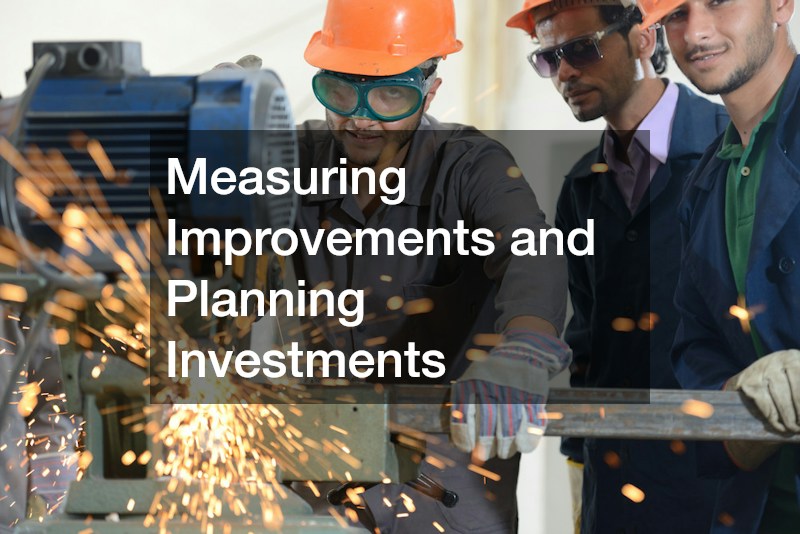
Manufacturers can use collected information to establish performance benchmarks and compare results over time. For example, tracking recurring equipment failures may reveal whether a maintenance change has improved reliability. Reviewing energy consumption before and after building upgrades can help determine whether investments are delivering the expected benefits. These measurements support informed decisions about future spending and help managers direct resources toward the most effective improvements.
Building a Long-Term Strategy for Facility Efficiency
Manufacturing quality and facility efficiency improve when maintenance, construction, safety, and environmental management work together. Reliable production requires dependable equipment, suitable building materials, stable floors, safe access routes, and effective utility systems.
Facility managers can begin by reviewing maintenance records, energy consumption, repair expenses, safety reports, and production interruptions. This information helps identify the areas with the greatest potential for improvement.
A phased investment strategy allows manufacturers to address urgent concerns while planning larger upgrades. Serious safety hazards and recurring equipment failures may require immediate attention, while insulation improvements, exterior renovations, and paving projects can be scheduled around production needs.
Contractors should be evaluated according to their qualifications, relevant experience, insurance coverage, and knowledge of applicable regulations. Clear specifications and project schedules help establish expectations and reduce coordination problems.
After completing an improvement, manufacturers should measure results using indicators such as energy consumption, equipment downtime, maintenance costs, and production consistency. Tracking these measures helps decision-makers evaluate investments and refine future plans.
Employee involvement is another important component of long-term improvement. Workers who operate machinery and navigate the facility each day may notice unusual sounds, recurring obstructions, or maintenance issues before they appear in formal inspection reports. Providing clear reporting procedures encourages employees to communicate concerns promptly and helps maintenance teams respond before minor problems escalate.
Ultimately, modern facility management requires ongoing attention rather than a single construction project or equipment purchase. By combining preventive maintenance, durable materials, responsible environmental practices, and effective technology, manufacturers can protect employees, preserve infrastructure, and maintain consistent product quality while supporting long-term business growth.