

Healthcare technology continues to change how providers diagnose conditions, plan treatments, perform procedures, and communicate with patients. Innovations in imaging, digital records, manufacturing, surgery, and remote care are helping many healthcare professionals work with greater precision while making treatment more convenient for patients.
These developments now affect nearly every area of care, from pediatrics and dentistry to surgery, diagnostic imaging, veterinary medicine, and wellness services.
More Personalized Approaches to Care
Healthcare is becoming more personalized as providers gain access to better testing, monitoring, and digital records.
In areas such as hormone therapy, laboratory testing can provide detailed information that helps providers evaluate hormone levels and track how patients respond to treatment. Electronic health records also make it easier to review medical histories, medication lists, test results, and previous treatments in one place.
Remote monitoring can add another layer of information. Certain devices allow patients to track health data from home and share relevant results with their providers. This can help clinicians identify changes and make informed treatment decisions.
Technology does not replace professional judgment, but it can give providers more useful information when developing individualized care plans.
Digital Tools Are Changing Dentistry
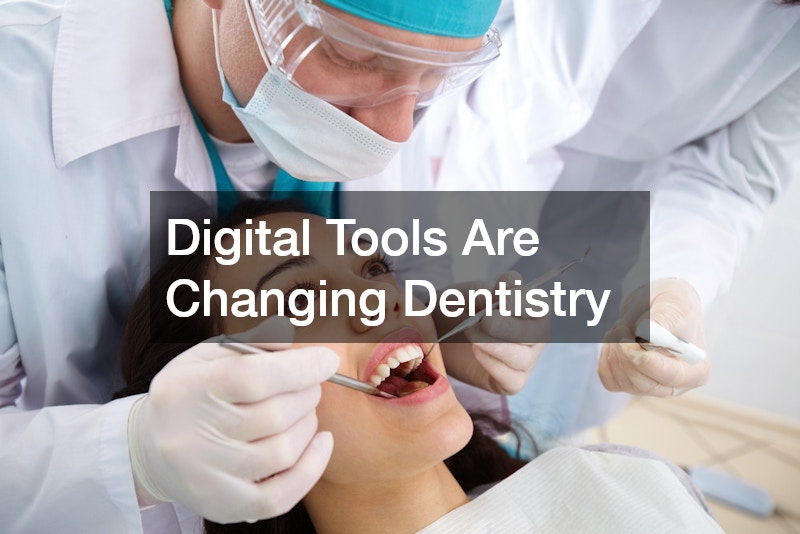
Dentistry has seen major improvements through digital imaging, three-dimensional scans, computer-assisted design, and advanced manufacturing.
For younger patients, dental appliances may be used to address orthodontic or developmental concerns. Digital impressions can create detailed models of a child’s teeth and bite without relying entirely on traditional impression materials.
These models can help dental professionals evaluate fit, plan treatment, and explain recommendations to parents.
Digital imaging also improves patient education. Instead of describing a dental concern only with words, providers can often show patients images or three-dimensional models of the teeth and jaw.
Implant Treatment Has Become More Precise
Dental implant treatment now combines imaging, treatment-planning software, surgical guides, and digital restoration design.
For patients considering an all on 4 dental implant procedure, three-dimensional imaging may help providers evaluate bone structure, implant placement, and anatomical considerations before treatment.
Computer-guided systems can help translate a digital treatment plan into a physical surgical guide. This can improve consistency during implant placement.
The restorative stage has also become more digital. Dental laboratories can use computer-aided design and manufacturing systems to create restorations with precise dimensions.
These technologies can improve both treatment planning and communication throughout the implant process.
Faster Technology Supports Emergency Care
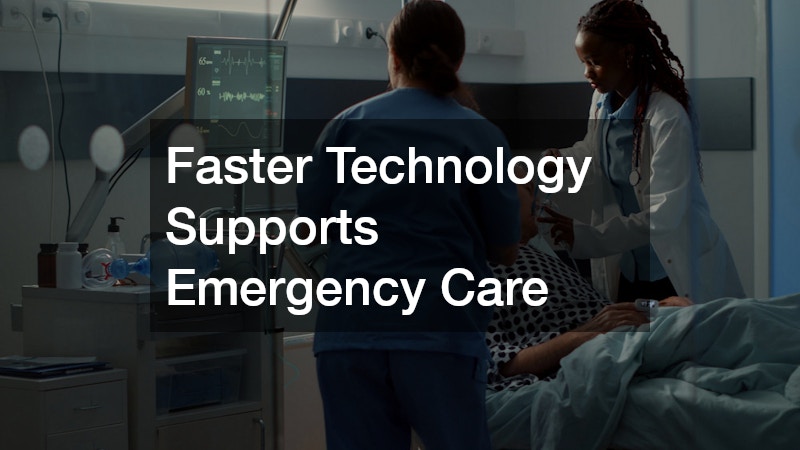
Technology is especially valuable in urgent medical situations, where providers often need information quickly.
Emergency vet services increasingly rely on digital imaging, laboratory equipment, patient monitoring systems, and electronic medical records to assess animals with injuries or sudden illnesses.
Rapid testing can help veterinary teams investigate symptoms and make treatment decisions sooner. Digital records also help staff document treatments and share information between departments.
Some facilities can send imaging results to specialists for additional review, helping veterinary teams access expert input when necessary.
Surgical Systems Are Supporting Greater Precision
Modern surgery increasingly depends on specialized instruments and imaging systems.
In ophthalmology, vitrectomy surgical equipment is used during procedures involving the vitreous gel inside the eye. Newer systems may include improved visualization, fluid management, illumination, and cutting controls.
These tools are designed to help surgeons work within extremely small spaces while protecting surrounding tissues.
Similar advances can be seen in other specialties. Minimally invasive instruments, robotic assistance, and image-guided systems can allow certain procedures to be performed through smaller incisions.
When appropriate, these approaches may support shorter recovery periods and reduced discomfort.
Imaging Technology Is Improving the Patient Experience
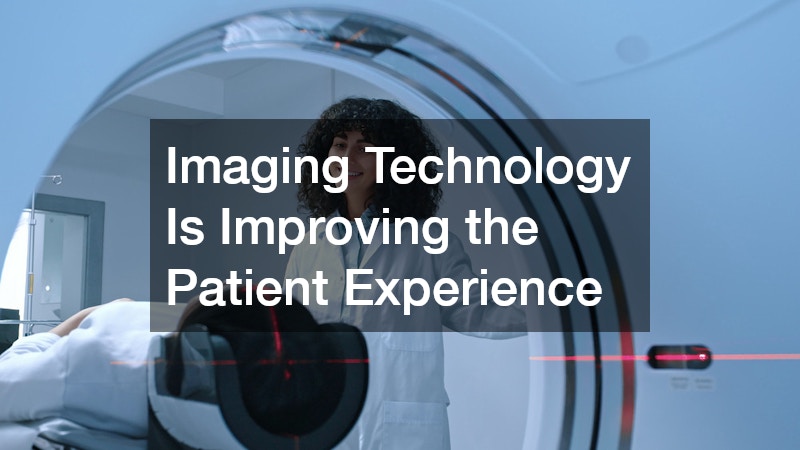
Medical imaging remains one of the most important areas of healthcare innovation.
MRI systems allow clinicians to examine soft tissues, joints, nerves, and internal structures without ionizing radiation. Newer machine designs are also focused on patient comfort.
An open mri scanner may be helpful for patients who experience claustrophobia or have difficulty using a traditional enclosed scanner, depending on the imaging requirements.
Digital imaging software also makes it easier to compare current scans with earlier studies and share results with specialists.
Artificial intelligence is beginning to support radiologists by identifying patterns or highlighting areas that may require closer review. These tools are generally designed to assist trained professionals rather than replace them.
Precision Manufacturing Supports Medical Devices
Many healthcare technologies depend on components that must meet exact specifications.
CNC machining companies can manufacture parts used in medical devices, surgical tools, dental equipment, imaging systems, and laboratory instruments.
Computer numerical control machining allows manufacturers to produce complex parts with consistent dimensions. This can be especially important when components must fit together precisely or function reliably during medical procedures.
Three-dimensional printing is also expanding within healthcare. It can be used to create anatomical models, surgical guides, dental products, and certain customized devices.
As medical technology becomes more specialized, precision manufacturing will continue to play an important role in device development.
Telehealth Expands Access to Specialized Services
Telehealth has made some healthcare services easier to access.
Secure video appointments, digital intake forms, online portals, and electronic prescriptions can reduce the need for in-person visits when a physical examination is not required.
For example, a patient seeking information from a marijuana doctor may be able to complete certain portions of the consultation process remotely where permitted by law.
Telehealth can be especially useful for patients who live far from specialists or have difficulty traveling.
Patient portals also allow people to review test results, request appointments, and send non-urgent messages to their providers.
Not every healthcare service can be delivered virtually, but telehealth has created more options for routine follow-up and consultation.
Technology Is Helping Pediatric Practices Stay Organized
Pediatric medicine benefits from many of the same digital tools used across healthcare.
Families searching for local newborn pediatricians may find practices that offer electronic health records, digital growth charts, online scheduling, secure messaging, and automated appointment reminders.
Digital records can help pediatricians track growth, developmental milestones, vaccinations, feeding concerns, and other information over time.
Electronic growth charts also make it easier to compare measurements from one visit to the next.
For parents, online forms and visit summaries can make frequent pediatric appointments easier to manage.
Safer Environments Are Part of Modern Healthcare
Healthcare technology is not limited to diagnosis and treatment. It also helps protect patients, employees, and the public from environmental hazards.
Biohazard cleanup companies use specialized equipment, protective procedures, and cleaning protocols when biological materials or potentially infectious substances are present. These situations may involve blood, bodily fluids, contaminated materials, or other substances that require careful handling and disposal.
Ordinary cleaning methods may not be appropriate for these situations. Specialized disinfectants, containment systems, protective equipment, and documentation procedures can help reduce exposure risks. Proper cleanup may also require identifying affected areas, isolating contaminated materials, and following disposal procedures that comply with applicable safety requirements.
Training is another important part of environmental safety. Workers handling potentially hazardous materials need to understand how to use protective gear correctly, avoid cross-contamination, and respond to accidental exposure. Clear procedures can help reduce mistakes and create a more consistent response when hazardous conditions are discovered.
Healthcare facilities also rely on sterilization equipment, ventilation systems, and infection-control protocols to maintain safe environments. Hospitals, clinics, dental offices, and laboratories may use automated sterilizers, air filtration systems, surface disinfection procedures, and carefully managed waste systems to reduce contamination risks.
Monitoring technology can further support these efforts. Some facilities use systems that track air quality, temperature, humidity, or equipment performance. These tools can help staff identify problems before they become larger safety concerns.
Environmental protection is especially important in spaces where vulnerable patients receive care. Clean treatment rooms, properly sterilized instruments, controlled airflow, and safe waste handling all contribute to a safer healthcare environment.
By combining specialized cleanup methods with modern infection-control technology, healthcare organizations can reduce exposure risks and create safer conditions for patients, staff members, visitors, and the surrounding community.
Better Data Can Improve Decision-Making
Electronic health records have changed how healthcare organizations collect and use information.
Providers can quickly review medications, test results, imaging reports, diagnoses, and previous treatments.
Larger healthcare systems can also analyze data to identify patterns in treatment outcomes, disease rates, and hospital utilization.
Predictive analytics may help healthcare teams identify patients who are more likely to experience complications or require additional support.
Wearable devices can add information about activity, heart rate, sleep, and other measurements. While not all consumer data is suitable for clinical use, certain devices can provide useful information when interpreted correctly.
Automation Can Reduce Administrative Work
Administrative tasks can consume a large amount of time in healthcare.
Scheduling software, digital forms, automated reminders, billing systems, and electronic documentation tools can reduce some of this workload.
Patients may spend less time completing paperwork, while providers may have more time available for clinical care.
Artificial intelligence may also help with routine documentation, information organization, and administrative requests.
However, healthcare organizations must carefully evaluate accuracy, privacy, and cybersecurity before relying on automated systems.
Communication Tools Keep Patients More Involved
Digital communication can help patients better understand and manage their care.
Patient portals, secure messaging, appointment reminders, and online educational materials give people easier access to healthcare information.
Providers can send preparation instructions before procedures or follow-up information afterward. Patients can review this information later instead of trying to remember everything discussed during an appointment.
Video visits may also allow family members or caregivers to participate when appropriate.
Better communication can make care more convenient while helping patients stay engaged in treatment decisions.
Cybersecurity Is Increasingly Important
As healthcare becomes more digital, protecting patient information is essential.
Medical records contain sensitive personal data, including contact information, insurance details, medical histories, prescriptions, test results, and treatment plans. Healthcare organizations must protect their systems from unauthorized access, ransomware, data loss, phishing attacks, and other threats that could disrupt care or expose confidential information.
Common security measures include encryption, multi-factor authentication, restricted access, network monitoring, employee training, and regular software updates. Limiting access based on job responsibilities can also reduce unnecessary exposure to patient records. A staff member should generally only be able to view the information needed to perform their role.
Employee education is especially important because cybersecurity problems do not always begin with sophisticated technical attacks. A convincing phishing email, weak password, misplaced device, or accidental file-sharing error can create serious risks. Regular training can help employees recognize suspicious messages, use secure login practices, and follow procedures for handling sensitive information.
Healthcare organizations also need reliable backup systems. If files become corrupted, deleted, or encrypted during a ransomware attack, secure backups can help restore critical information and reduce operational disruptions. Backups should be tested regularly so organizations know they can recover data when necessary.
Connected medical devices can also create cybersecurity risks, making secure system design an important part of modern healthcare infrastructure. Monitoring equipment, diagnostic systems, imaging technology, and other connected devices may communicate with hospital or clinic networks. If these devices are not properly secured or updated, they may create vulnerabilities that affect other systems.
Cybersecurity planning should therefore include both traditional computer networks and the medical technology connected to them. Healthcare organizations may need to inventory devices, install security patches, replace outdated equipment, and monitor network activity for unusual behavior.
Patient communication also requires attention. Secure portals and encrypted messaging systems are generally more appropriate for exchanging health information than unsecured email or text messages. Clear policies can help staff understand which communication methods are suitable for different types of information.
Strong cybersecurity ultimately supports more than privacy. It helps protect continuity of care. When healthcare systems remain secure and available, providers can access the information they need, communicate with patients, and continue delivering services without unnecessary interruptions.
Technology Works Best When It Supports Providers
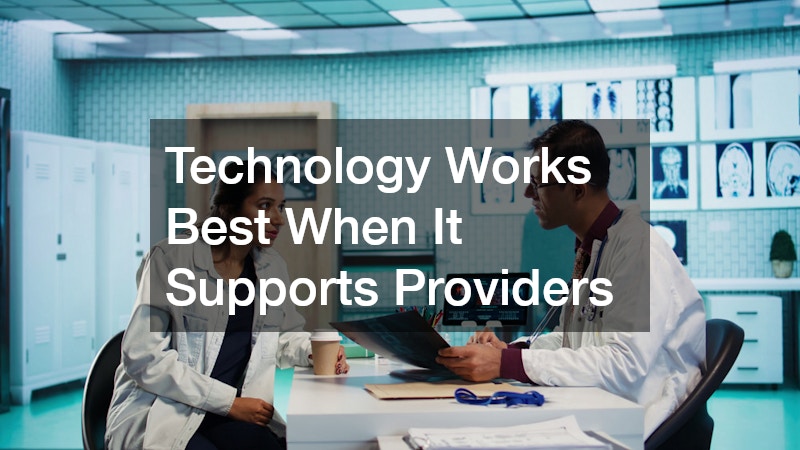
Healthcare technology is advancing quickly, but professional skill and judgment remain essential.
An imaging system can produce detailed scans, but clinicians still need to interpret those results in the context of a patient’s symptoms and medical history.
Surgical equipment may improve precision, but outcomes still depend heavily on the training and experience of the healthcare team.
The same applies to dentistry, pediatrics, veterinary medicine, diagnostics, and other specialties.
The most valuable technologies are those that help professionals provide safer, faster, and more personalized care without adding unnecessary complexity.
What Comes Next
Future healthcare is likely to become even more connected and data-driven.
Artificial intelligence may help providers analyze information more quickly. Wearable devices may become more useful for continuous monitoring. Imaging systems may produce faster and more detailed scans.
Manufacturing technology may support more customized medical devices, while robotics may expand into additional surgical procedures.
Digital dentistry and remote care will also continue to evolve.
The goal of these advances should remain focused on improving patient care. Technology is most useful when it helps providers diagnose conditions earlier, plan treatments more accurately, reduce delays, and communicate more clearly with patients.
As healthcare systems continue adopting new tools, the strongest results will come from combining innovation with experienced professionals and patient-centered care.
