

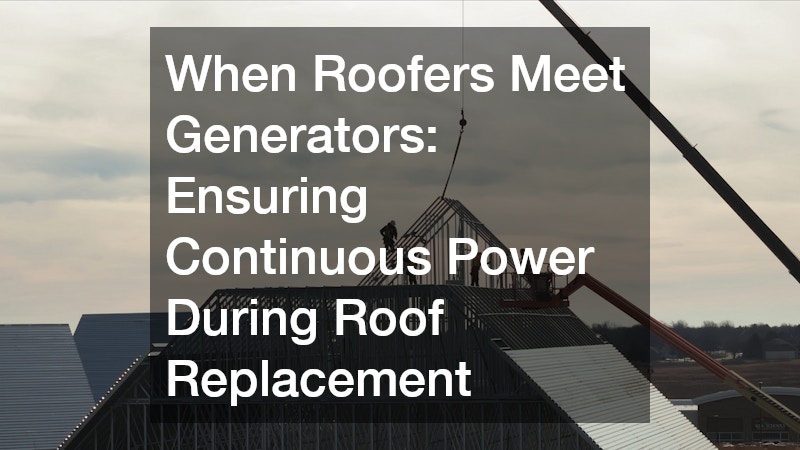
Roof replacement is a significant investment for both residential and commercial properties. Whether it’s a metal roof replacement for a home or a commercial flat roof replacement, the process requires careful planning, expertise, and coordination. One often-overlooked aspect of this planning is ensuring continuous power during the project. Power disruptions can halt essential operations, damage sensitive equipment, and create unsafe conditions. This is where coordinating with an electric generator rebuild or having a reliable backup generator becomes crucial.
In this article, we explore how property owners, roofers, and contractors can work together to maintain power during roofing projects. We’ll discuss the types of roofing services, modern roofing systems like wind-vented roof systems, and the integration of generators to keep operations running smoothly.
- The Importance of Power Continuity During Roof Replacement
- Types of Roofing Services and Their Power Demands
- Planning for Continuous Power During Roof Replacement
- How Electric Generators Support Roofing Projects
- Working With Professional Roofers
- Benefits of Wind Vented Roof Systems During Roof Replacement
- Safety Considerations During Roof Replacement
- Preparing for Future Roofing Projects
The Importance of Power Continuity During Roof Replacement
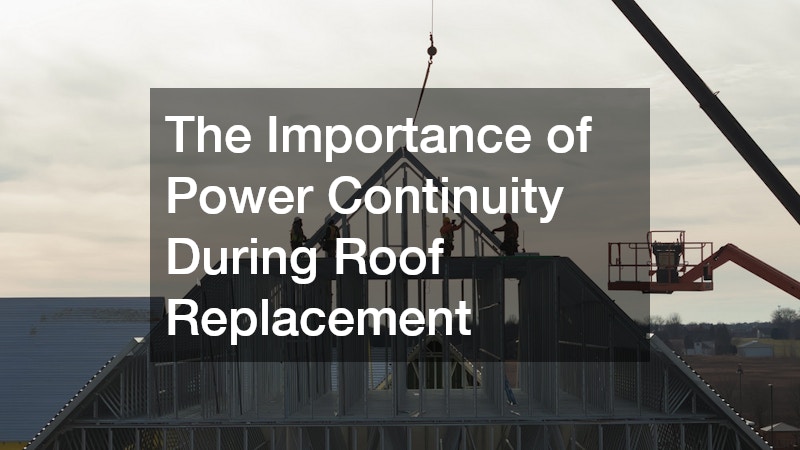
Roof replacement, whether through a local roof replacement service or a metal roof contractor, involves heavy machinery, skilled labor, and sometimes the temporary removal of electrical equipment from the premises. For commercial buildings, a power outage can lead to severe consequences such as interrupted business operations, potential damage to electrical systems, increased safety risks for workers and occupants, and delays in project completion. Each of these factors can result in financial losses and operational setbacks that many businesses cannot afford.
A reliable power solution, such as an electric generator rebuild, assures that the property remains operational while roofing work is underway. Modern generators provide the capacity to power tools, lighting, HVAC systems, and even critical server rooms during outages caused by construction activities. This is especially crucial in industries that rely heavily on equipment and technology. A construction site without power can become disorganized and hazardous, with workers unable to use tools, lighting, or safety measures effectively.
Types of Roofing Services and Their Power Demands
Residential Roof Replacement
A typical residential roofing project may involve a metal roof replacement or the installation of other types of materials. Local roof replacement services often manage these projects efficiently, factoring in local weather conditions and architectural styles. However, even in residential settings, the benefits of backup power solutions cannot be overstated. During inclement weather or unexpected utility outages, having an upgraded generator ensures that essential systems, such as refrigerators, security systems, and heating or cooling units, remain functional, thereby protecting families and their belongings.
Commercial Roofing Services
On the other hand, commercial buildings often have more complex power requirements. Commercial roofing services encompass a broad range of jobs, including commercial flat roof replacement, roofing inspections, and comprehensive maintenance. The stakes are significantly higher in such scenarios because losing power can be catastrophic for businesses, particularly those with sensitive equipment, production lines, or server rooms. Coordinating a generator plan with roofers before the project begins is essential, allowing businesses to safeguard their operations and maintain productivity.
Specialty Roofing Systems
Modern roofing systems, such as wind-vented roof systems, are designed with energy efficiency in mind and provide added protection against structural damage. Installing these advanced systems typically requires specialized knowledge and offers unique challenges that can prolong project timelines. Ensuring continuous power during these installations is paramount. Reliable power sources enable roofers to operate necessary machinery, maintain proper ventilation, and utilize temporary lighting safely throughout the process, thereby reducing risks and promoting a safer working environment.
Planning for Continuous Power During Roof Replacement
Proper planning is the key to avoiding interruptions during roofing projects. Here’s how property owners and roofing contractors can work together to ensure continuous power:
1. Assess Your Power Needs
The first step is to evaluate the electrical load requirements of the property. A thorough assessment helps determine the type of backup power necessary. This involves reviewing the number of circuits needed during construction, analyzing the load of critical equipment and machinery, and estimating the duration of any power outages expected during the roof replacement. If the existing generator is outdated or incapable of handling the full load, an electric generator rebuild may be needed. Rebuilding or upgrading your generator guarantees its reliability and efficiency throughout the roofing project.
2. Coordinate with Roofers Early
Before commencing a project, it is vital to consult with your roofers or a qualified metal roof contractor. Experienced professionals can pinpoint areas where electrical work might be temporarily disrupted and help in planning around these disruptions. This collaboration allows for the scheduling of generator use without causing delays, avoiding conflicts between heavy machinery and electrical systems, and ensuring power sources are safe and compliant with local codes.
3. Implement Temporary Power Solutions
For extensive projects like commercial flat roof replacement, temporary power solutions are often necessary. Various options include mobile generators, temporary wiring and outlets, and integration with existing wind-vented roof systems to maintain energy efficiency. This proactive approach guarantees roofing crews can continue their work without interruptions, maintaining the project schedule and effectively reducing downtime.
How Electric Generators Support Roofing Projects
Generator Rebuilds for Maximum Reliability
An electric generator rebuild involves an intricate process of replacing worn components, upgrading the control system, and ensuring that the generator is capable of handling peak loads. For roofing projects, a rebuilt generator offers several advantages. It provides consistent voltage and frequency for sensitive equipment, reduces the risk of downtime due to generator failure, and supports both residential and commercial roofing projects.
In addition, as technology and energy demands evolve, having a state-of-the-art generator can future-proof against unforeseen advancements or changes in building energy requirements. This foresight not only adds value to the property but also enhances overall energy efficiency, contributing to sustainable practices in roofing and construction.
A well-thought-out plan that emphasizes power continuity is essential to the success of any roofing project. By collaborating effectively and leveraging modern technology like generators, property owners and roofing professionals can ensure that the job is completed safely, efficiently, and with minimum disruption.
Integration With Roofing Installation
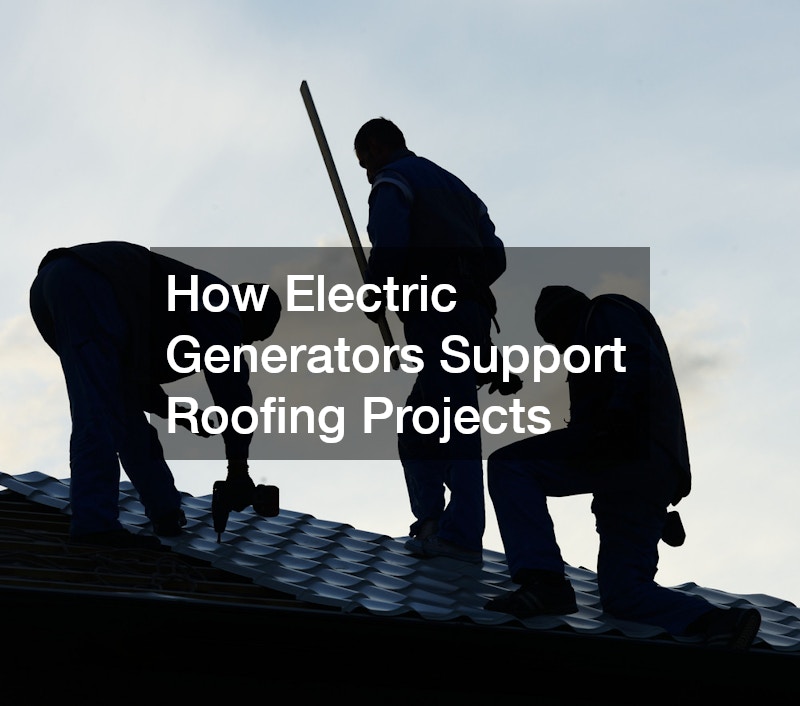
During roofing installation, especially when replacing a metal roof or performing commercial flat roof replacement, a reliable power source is essential. Tools like nail guns, drills, and compressors require electricity to function effectively and safely. In these demanding environments, the last thing a crew needs is to experience downtime due to power shortages or tool failures. A properly rebuilt generator not only provides a consistent power supply but also enhances the overall efficiency of the roofing project. With a generator in place, roofing teams can work continuously, allowing them to meet deadlines while maintaining high-quality standards in their workmanship. These tools are crucial for ensuring that the roofing materials are applied correctly, which ultimately affects the roof’s durability and performance. Moreover, having a dependable power source contributes to workplace safety. When contractors rely on efficient generators, they minimize the risk of electrical failures that could lead to accidents. Additionally, a well-maintained generator operates more quietly and produces fewer emissions, which is beneficial for both the environment and the health of the workers on-site. In summary, the significance of a properly rebuilt generator in roofing installation cannot be overstated. It guarantees that the essential tools function without interruption, leading to a more efficient workflow and a safer working environment. The investment in a reliable generator pays off through improved project outcomes and enhanced worker productivity.
Case Example: Coordinating Roofers and Generators
Consider a commercial building undergoing a commercial flat roof replacement. The project involves removing old roofing materials, installing insulation, and placing a new flat roof membrane. The building also houses offices and IT infrastructure. Without a backup power plan, critical systems would go offline, potentially causing data loss. By coordinating an electric generator rebuild and temporary power supply, the roofers can complete roofing installation while the building remains fully operational.
Working With Professional Roofers

Selecting the Right Contractor
When planning a roof replacement, choosing experienced roofers or a specialized metal roof contractor is essential. Key qualities to look for include:
- Proven experience in residential and commercial projects
- Knowledge of modern roofing systems, including wind-vented roof systems
- Ability to coordinate with electrical contractors and manage temporary power needs
Communication and Scheduling
Clear communication between property owners, roofers, and generator specialists is critical. Scheduling should consider:
- Timing of generator installation or rebuild
- Roof removal and installation phases
- Safety inspections and electrical testing
This approach ensures minimal disruption and maximizes efficiency during the roofing installation process. By employing streamlined planning and organization, we can effectively minimize the impact on daily activities for residents and businesses in the vicinity. A well-coordinated schedule allows our team to execute the roofing project swiftly, reducing the amount of time that the worksite is active and consequently cutting down on noise and other disturbances. Additionally, we prioritize using high-quality materials and modern techniques, which not only enhances the durability of the roofing but also speeds up the installation process. Our experienced crew is trained to work efficiently while maintaining safety standards, ensuring that each stage of the project flows seamlessly into the next. Communication plays a vital role in this process; we keep all stakeholders informed about the timeline and any potential impact so that everyone can plan accordingly. This comprehensive approach not only leads to a smooth installation but also fosters goodwill within the community, making for a more positive experience overall.
Benefits of Wind Vented Roof Systems During Roof Replacement
Wind-vented roof systems are designed to reduce heat buildup, improve ventilation, and extend the lifespan of roofing materials. During a metal roof replacement or commercial flat roof replacement, these systems:
- Help maintain a safe working environment by reducing heat stress for workers
- Support energy efficiency for the building during construction
- Integrate easily with temporary power setups to maintain HVAC and lighting
Roofers familiar with these systems can ensure that installation is seamless while maintaining continuous power through a generator.
Safety Considerations During Roof Replacement
Safety is a top priority during any roofing project. Coordinating with a local roof replacement service and integrating a reliable generator helps mitigate risks such as:
- Electrical hazards from power outages or temporary wiring
- Slips and falls due to poor lighting during early morning or evening work
- Equipment damage from sudden power interruptions
By planning ahead and including an electric generator rebuild, property owners can ensure that both roofers and occupants remain safe.
Preparing for Future Roofing Projects
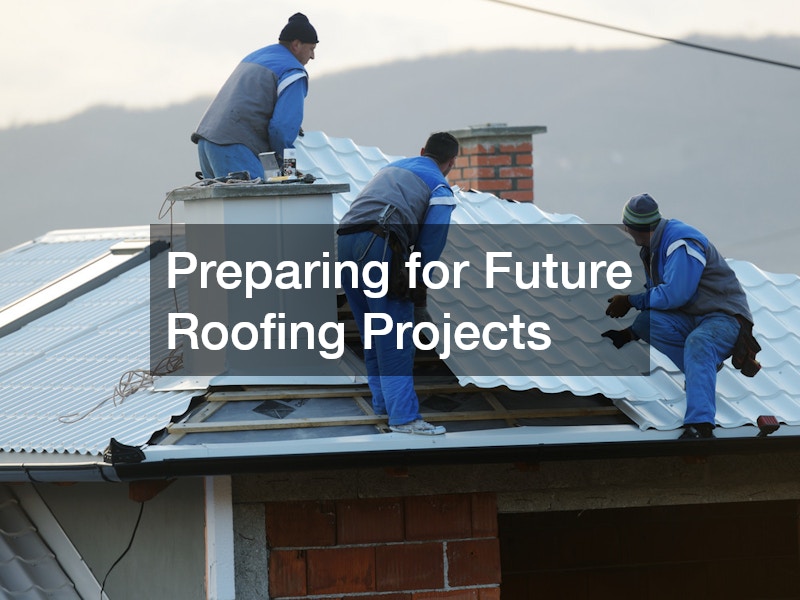
Once the current roofing project is complete, maintaining the generator and roof ensures long-term benefits. Recommended practices include:
- Scheduling routine maintenance for the generator, including periodic rebuilds
- Regular inspections of metal roofs or flat roofs for wear and tear
- Monitoring ventilation systems, like wind-vented roof systems, to optimize performance
Taking proactive measures to maintain the roof and electrical infrastructure is essential for enhancing their longevity. Regular inspections and maintenance can identify potential issues before they escalate into costly repairs or replacements. For roofs, ensuring that gutters and drainage systems are clear of debris allows for proper water flow, reducing the risk of leaks and structural damage. Additionally, applying protective coatings can shield the roof from harsh weather conditions, UV rays, and wear over time. On the electrical side, periodic checks of wiring and connections are crucial. Ensuring that all electrical components are up to code not only promotes safety but also prevents unexpected power outages and disruptions. By investing time and resources into these maintenance practices, property owners can create a more reliable environment for future projects. This preparation allows for smoother operations without the hindrance of having to deal with unexpected repairs. Ultimately, a well-maintained roof and electrical system provide peace of mind and enhance the overall value of the property.
Roof replacement projects, whether involving a metal roof replacement, commercial flat roof replacement, or specialty wind-vented roof systems, require careful planning to maintain continuous power. Collaborating with experienced roofers, a metal roof contractor, and an electrical professional for an electric generator rebuild ensures that construction proceeds smoothly, safely, and efficiently.
By integrating backup power solutions with professional roofing installation and commercial roofing services, property owners can protect their investments, reduce downtime, and maintain a safe environment for workers and occupants. The synergy between roofers and generators is not just convenient—it’s essential for modern construction projects.
