

A cracked sidewalk, a sagging fence, or a slow-draining sink might seem like minor annoyances you can put off fixing. But when someone gets hurt or property is damaged because of a maintenance issue you ignored, that small problem can turn into a lawsuit, an insurance claim denial, or a costly settlement. Understanding where the legal line falls between an honest oversight and negligence can protect your finances, your reputation, and your peace of mind. This article walks through the most common property features that create liability risk when left unattended, and what responsible upkeep actually looks like.
Roof Damage That Leads to Interior Injuries and Mold Claims
A leaking or deteriorating roof rarely stays a cosmetic issue for long. Water intrusion can weaken ceilings, encourage mold growth, and eventually cause a collapse that injures a tenant, customer, or guest. Property owners who ignore visible signs of roof failure, such as sagging spots or recurring stains, can be found negligent if someone is hurt as a result. Bringing in a commercial roofing company for a periodic inspection creates a paper trail showing you took reasonable steps to catch problems early, which matters enormously if a claim is ever filed.
Documentation is often the deciding factor in these disputes. Insurance adjusters and courts want to see maintenance records, not just a claim that the roof “seemed fine.” Keeping dated photos, inspection reports, and repair invoices on file gives you evidence that you acted responsibly rather than ignoring a known hazard.
Fallen Trees and Storm Debris That Damage Neighboring Property
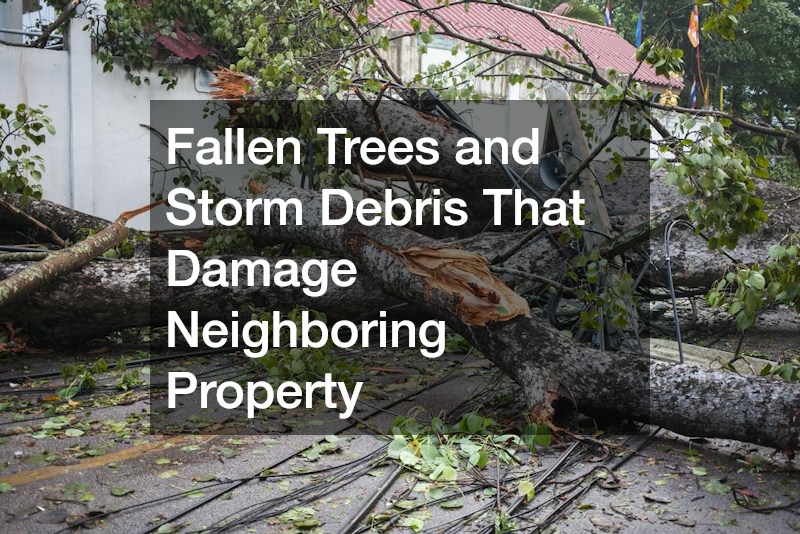
Trees add value and shade to a property, but a dead or leaning tree is a liability waiting to happen. If a limb or an entire tree falls onto a neighbor’s car, roof, or fence during a storm, the owner of the tree can be held responsible if there was prior knowledge of the hazard. Courts generally look at whether the danger was foreseeable, meaning visible rot, leaning trunks, or dead branches should have prompted action long before the storm hit.
Scheduling regular assessments with tree removal companies is one of the simplest ways to reduce this exposure. A trained arborist can spot disease or structural weakness that an untrained eye would miss, and removing a hazardous tree before it fails is far cheaper than litigation afterward. Keeping receipts for this kind of preventive work also strengthens your position if a dispute ever arises.
Plumbing Backups That Cause Water Damage or Health Hazards
A clogged drain might seem like a plumbing inconvenience, but repeated backups can lead to standing water, sewage overflow, and property damage that spreads to neighboring units or businesses. In commercial buildings and multi-tenant properties, a landlord who ignores tenant complaints about slow drains can be found liable when the problem escalates into flooding or contamination. Prompt attention to drainage issues is not just good practice, it is often a legal obligation spelled out in lease agreements and local housing codes.
The financial consequences of ignoring plumbing problems tend to snowball quickly. What starts as a simple clog can turn into warped flooring, ruined inventory, or mold remediation costing thousands of dollars, all of which could have been avoided with a timely service call.
Uneven Pavement and Settling Concrete That Cause Trip Hazards
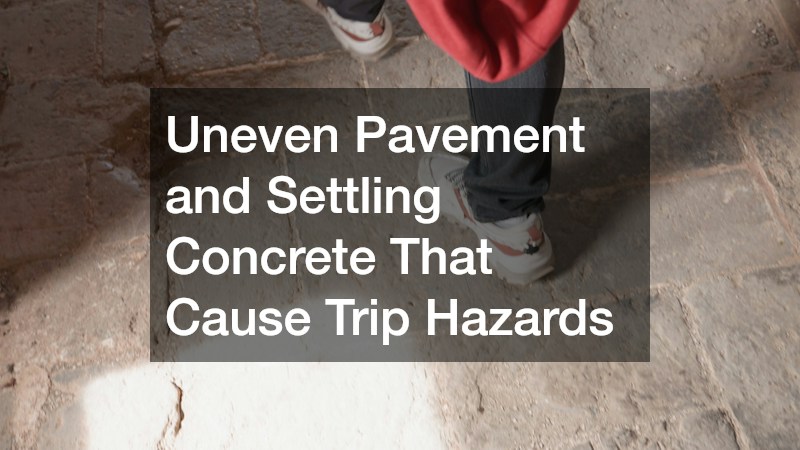
Sunken sidewalks, driveways, and parking lots are among the most common sources of slip-and-fall lawsuits against property owners. Soil erosion, tree root intrusion, and poor drainage cause concrete slabs to settle unevenly over time, creating trip hazards that are easy to overlook until someone gets hurt. Many jurisdictions treat a height differential of as little as a quarter to half an inch between adjoining slabs as a potential hazard, meaning damage that looks minor to an untrained eye can still create real legal exposure. Because these defects develop gradually, courts often ask whether the owner had a reasonable opportunity to notice and repair the damage before an incident occurred. This concept, often called “constructive notice,” hinges on factors like how long the defect existed, whether it was visible during routine inspections, and whether similar problems had been reported elsewhere on the property. A single sunken square of sidewalk that appeared overnight after a burst pipe is treated very differently than a cracked parking lot that has been visibly deteriorating for years. Weather compounds the problem, since freeze-thaw cycles, heavy rain, and drought conditions all accelerate soil movement beneath pavement. Property owners in regions with harsh winters or expansive clay soils should expect to inspect exterior walkways more frequently than those in more stable climates. Documenting these inspections, along with any repairs made, can become critical evidence if a dispute over negligence ever reaches court.
Uneven pavement and settling concrete are among the most common trip hazards found on commercial and residential properties, and courts have repeatedly held owners liable when a height difference of as little as a half-inch caused a fall. Sidewalks, parking lots, and building entrances are especially prone to this kind of settling as the soil beneath them shifts, erodes, or compacts unevenly over time. Left unaddressed, these small elevation changes create exactly the kind of foreseeable danger that plaintiffs’ attorneys look for when building a premises liability case. Many property owners are surprised to learn that full slab replacement is not always necessary. Hiring one of the established mudjacking companies in your area allows sunken concrete to be lifted and leveled without tearing out the original slab, offering a faster and less expensive fix. The process typically involves pumping a cement-based slurry beneath the slab to raise it back to grade, and most jobs can be completed in a matter of hours rather than the days required for full replacement. Cost is another factor that makes this option worth considering. Mudjacking generally runs a fraction of the price of demolition and repouring, which matters when a property owner is weighing repair budgets against the potential cost of a lawsuit or insurance claim. Addressing uneven pavement quickly reduces both the physical hazard and the legal exposure that comes with it, and documenting the repair date can also serve as evidence of due diligence if a claim is ever filed.
- Inspect sidewalks and parking areas seasonally, especially after freeze-thaw cycles, since water that seeps into cracks and refreezes can heave concrete by half an inch or more overnight
- Use a simple rule of thumb: height differences greater than 1/4 inch between slabs are a recognized trip hazard in most municipal codes
- Mark hazardous areas with cones, tape, or paint until repairs are complete, and photograph the marked area with a timestamp for your records
- Keep records of repair dates, contractor invoices, and inspection checklists in case a claim is filed later
- Retain before-and-after photos of any repair work as evidence that the hazard was addressed promptly
- Address drainage issues that contribute to soil erosion under slabs, such as clogged gutters, downspouts draining too close to pavement, or grading that slopes toward the building
- Consider having a structural or civil engineer evaluate recurring settling issues, since surface patches often mask deeper soil compaction problems
Broken Fencing That Fails to Restrict Access or Contain Hazards
Fencing often serves a legal as well as a practical purpose, especially around pools, construction sites, or properties with dogs. A broken gate latch or a collapsed section can allow children or animals to wander into dangerous areas, and owners can be held liable under premises liability laws if that access leads to an injury. Regular inspection of fence integrity is especially important for property types where local ordinances require a barrier of a specific height or design.
When replacing damaged sections, many owners choose metal fences for their durability and lower long-term maintenance needs compared to wood. Partnering with reputable fence companies ensures the installation meets local code requirements, which matters if a fence-related injury is ever disputed in court. A properly installed and well-maintained fence is one of the most straightforward ways to reduce liability tied to unauthorized access.
Faded Exterior Surfaces That Signal Deferred Building Upkeep
While chipped paint and faded siding might seem purely cosmetic, they often signal deeper maintenance neglect that can affect legal standing in a dispute. Peeling exterior paint can expose wood to rot, and deteriorating surfaces on railings or stairs may hide structural weakness that increases injury risk. Investing in quality paint protection during routine upkeep helps preserve the integrity of surfaces exposed to sun, rain, and temperature swings, and it signals to inspectors or courts that the property is actively maintained.
Beyond appearances, documented exterior upkeep can also affect insurance premiums and claims outcomes. Insurers sometimes reduce payouts or deny claims entirely if they determine that visible deterioration went unaddressed for an extended period, arguing the damage was foreseeable and preventable.
Restaurant Grease Buildup That Triggers Fire and Sanitation Violations
Commercial kitchens face a unique category of liability tied to grease and waste management. Neglected grease trap cleaning can lead to sewer line backups, foul odors, and even fire hazards if grease accumulates near heat sources. Health inspectors routinely check maintenance logs for this exact issue, and a violation can result in fines, forced closure, or liability if a fire or backup damages neighboring businesses.
Local plumbing codes typically require documented cleaning on a set schedule, and skipping this maintenance is one of the fastest ways a restaurant owner can find themselves facing both regulatory penalties and civil claims. Keeping service records readily available protects the business if a dispute over cause and responsibility ever reaches a courtroom.
Inadequate Site Oversight That Increases Injury and Theft Risk
Beyond physical maintenance, a lack of human oversight on a property can also create legal exposure. Vacant buildings, construction sites, and large parking facilities are common targets for trespassing, vandalism, and theft, and owners who fail to provide reasonable protection can be found negligent if someone is injured on unsecured premises. Hiring security guards for high-risk properties is a practical way to deter unauthorized access and respond quickly if an incident does occur.
Courts often weigh whether a property owner took reasonable steps given the known risks of the area and type of property. A well-documented security presence, including patrol logs and incident reports, can serve as valuable evidence that the owner acted responsibly rather than leaving the property unattended and exposed to foreseeable harm.
Rusted or Weakened Metal Structures That Compromise Safety
Railings, stairs, gates, fire escapes, and structural supports made of metal are vulnerable to rust and fatigue over time, particularly in humid, coastal, or freeze-thaw climates where moisture accelerates corrosion. A corroded railing that gives way under normal use, or a rusted stair tread that buckles underfoot, can lead to a serious fall, spinal injury, or worse. Owners who ignore visible rust, flaking paint, or structural weakness are exposed to significant liability, especially if an inspection report or prior tenant complaint shows they had actual notice of the problem. The warning signs are often visible well before failure occurs: reddish-brown staining, pitting or flaking on the metal surface, loose bolts or anchor points, and visible wobble when weight is applied. Structural engineers generally recommend that metal railings and supports be able to withstand a lateral force of 200 pounds per building code standards; corrosion can quietly reduce that capacity by half or more without any outward sign of imminent collapse. Regular inspection of these components should be part of any routine maintenance schedule, ideally on a quarterly basis for exterior structures and at least annually for interior ones. This is especially critical for commercial properties with high foot traffic, multi-family housing with shared stairwells, and parking structures, where a single failure can affect dozens of people rather than one household. Documenting each inspection, along with any repairs made, also creates a paper trail that can protect an owner if a claim is later filed.
Rust and corrosion don’t just look bad — they eat away at the structural integrity of railings, fire escapes, staircases, and support beams until they can no longer bear the weight they were designed for. A railing that looks intact from a few feet away may be paper-thin at the welds, and that’s exactly where failure tends to happen without warning. When repairs are needed, working with a shop skilled in metal fabrication ensures replacement parts match the original specifications and meet current safety standards. This means matching not just the size and shape of the original piece, but also the gauge of metal, the grade of steel or aluminum, and the load-bearing requirements dictated by local building codes. Custom fabrication is often more reliable than generic replacement parts, particularly for older buildings where standard sizes may no longer be available. A fabricator can also recommend upgraded coatings or treatments — such as galvanization or powder coating — that extend the lifespan of the new component well beyond what the original material offered. Delaying these repairs rarely saves money in the long run. A small corroded bracket that costs a few hundred dollars to replace today can turn into a five-figure liability claim if it gives way under a tenant, employee, or visitor.
Property maintenance is rarely just a matter of appearances, it is a legal responsibility that grows more serious the longer problems go unaddressed. Taking a proactive approach, documenting repairs, and working with qualified professionals when issues arise can save you from costly litigation and protect the people who visit or rely on your property. If you recognize any of these warning signs on your own property, the smartest next step is scheduling an inspection now rather than waiting for a small issue to become a legal one.
