
A spiral staircase can be a striking addition to any home, blending functionality with elegance. Unlike traditional staircases, spiral staircases occupy less floor space, provide a unique architectural feature, and can enhance the aesthetic appeal of a room. However, before deciding to install one, it’s essential to understand the process, costs, and what installation entails.
This guide will walk you through what to expect when getting a spiral staircase installed.
Planning and Design Considerations
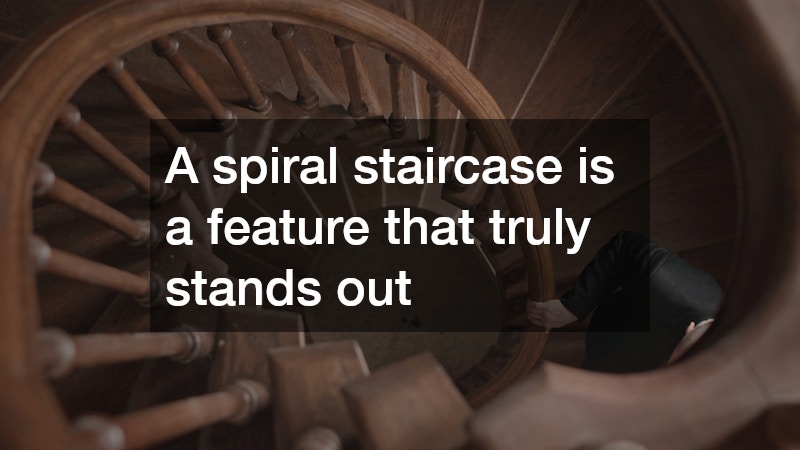
The first step in getting a spiral staircase is careful planning and design. Homeowners need to evaluate the available space, ceiling height, and intended use. Spiral staircases come in various materials such as wood, metal, or a combination of both, and each offers a different look and feel. For instance, a metal spiral staircase provides a modern, industrial look, while a wooden design creates a classic or rustic aesthetic.
When designing your staircase, you also need to consider the diameter. Smaller diameters save space but can be steeper and more challenging to navigate, especially for children or elderly family members. Larger diameters provide a more comfortable and safer ascent but require more room. Consulting with a professional staircase designer can help balance style, safety, and functionality to ensure your spiral staircase meets your specific needs.
Choosing the Right Materials
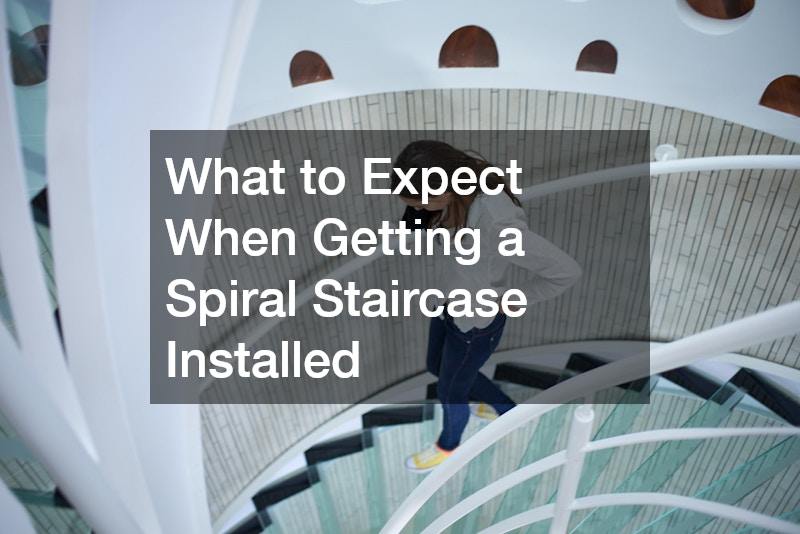
Material selection is a crucial part of the process. Common options include stainless steel, wrought iron, hardwood, and glass accents. Each material has its advantages and installation requirements. For example, metal spiral staircases are durable and low-maintenance but may require more precise installation due to their weight and rigidity. Wood, while warmer in appearance, might need additional treatment to prevent wear and tear over time.
Safety is another consideration in material choice. The staircase must support regular use without risk of wobbling or structural failure. Non-slip treads, secure handrails, and consistent step spacing are essential components regardless of the material chosen. Your installer will guide you through these options and help select a material that fits both your aesthetic vision and functional needs.
Measuring and Site Preparation
Once the design and materials are chosen, accurate measurements of the installation area are necessary. Incorrect measurements can lead to a staircase that doesn’t fit or poses safety hazards. Installers typically measure ceiling height, floor space, and the diameter of the staircase carefully. This step ensures the final product aligns perfectly with the intended space.
Site preparation often involves clearing the installation area, removing obstacles, and sometimes reinforcing the floor to support the staircase’s weight. Depending on the complexity of the design, additional modifications like relocating light fixtures or adjusting wall placements may be needed. This stage ensures a smooth and safe installation process, reducing the risk of delays or complications.
Installation Process
The installation of a spiral staircase is a detailed and multi-step process. Most spiral staircases are modular, meaning they arrive in components that the installer assembles on-site. This method allows for easier transportation and precise customization to fit your space.
The process typically begins with installing the central column, which acts as the structural backbone of the staircase. Once the column is secure, treads and risers are added around it, followed by the handrails. Each component must be carefully leveled and fastened to ensure stability. Depending on the size and complexity, installation can take several hours to a few days.
Professional installation is highly recommended. While some homeowners may attempt DIY assembly, mistakes can lead to safety risks, including uneven steps or unstable handrails. A trained installer ensures that every aspect meets safety standards and local building codes, providing peace of mind and long-term durability.
Finishing Touches
After the structural installation, finishing touches bring the staircase to life. This step may include sanding and staining wood, painting metal components, or adding decorative elements such as balusters or glass panels. The goal is to enhance both the visual appeal and the overall experience of using the staircase.
Lighting can also play a significant role in highlighting a spiral staircase. LED strips, recessed lighting, or pendant lights can accentuate the curves and make the staircase a focal point in your home. These details contribute to a more inviting and sophisticated atmosphere.
Maintenance and Longevity
Once installed, a spiral staircase requires regular maintenance to preserve its appearance and functionality. Metal staircases may need periodic cleaning to prevent rust, while wood designs may require refinishing to avoid wear and tear. Checking for loose screws or bolts and ensuring that treads remain secure is essential for safety.
A well-installed and maintained spiral staircase can last for decades, serving as both a practical means of accessing upper floors and a statement piece that elevates the home’s interior design.
Getting a spiral staircase installed is an investment that combines aesthetics, space efficiency, and functionality. From initial planning and material selection to precise measurement, installation, and finishing touches, understanding the process helps homeowners set realistic expectations and ensure a successful project. By choosing quality materials, professional installation, and proper maintenance, a spiral staircase can transform a space, adding elegance and value for years to come. Whether your goal is to save space or make a bold design statement, a well-executed spiral staircase is a feature that truly stands out.