

Career paths are evolving rapidly, but one area has become essential: digital marketing. Job titles and industries may shift, but mastering how brands connect and grow online provides employees, entrepreneurs, and freelancers a clear advantage today. As more businesses compete for attention in crowded digital spaces, those who understand online visibility and engagement are better positioned to adapt and stay relevant.
What makes digital marketing especially valuable is its flexibility. Building on its growing relevance, the same foundational skills can be applied across industries, platforms, and business models.
These skills support everything from brand awareness to customer retention, regardless of company size or niche. While tools and trends change, the core principles behind online growth stay surprisingly consistent.
This consistency makes digital marketing skills especially valuable for long-term career growth, even as technology, platforms, and consumer expectations continue to change.
Table of Contents
Why Digital Marketing Is a Career Staple
Most consumers now interact with businesses online before making a purchasing decision. They search for answers, compare options, read reviews, and engage with content long before filling out a form or making a purchase. Businesses that understand this behavior perform better, and they depend on people who know how to guide that journey.
Digital marketing isn’t just about promotion. It’s about visibility, trust, and communication. Professionals who understand how those elements work together often find themselves in demand, even as roles evolve.
Understanding How Search Drives Visibility
Search engines remain one of the strongest traffic sources available to businesses. Understanding how people search and why certain pages appear ahead of others creates long-term value.
Search engine optimization goes beyond inserting keywords into content. It involves understanding intent, organizing information clearly, and ensuring websites are easy to use. Professionals who learn these fundamentals aren’t thrown off by algorithm updates because they understand what search engines are trying to accomplish: delivering useful results.
SEO remains reliable because it drives sustainable, steady growth, not just short-term results.
Content That Serves a Purpose
Content plays a role in nearly every online strategy. Blogs, landing pages, guides, and emails all depend on the same core idea: providing something useful to the reader.
Effective content marketing is about writing better, not more. High-performing business blogs answer common questions, clarify complex topics, and sound authentic. Creating purposeful content helps brands build credibility.
Regardless of how platforms evolve, clear communication remains essential.
Social Media Beyond Posting
Social media remains one of the most visible aspects of digital marketing, but success rarely comes from posting randomly. Effective social media work is rooted in strategy.
Understanding audience behavior, platform differences, and formats helps businesses engage consistently without draining resources. Beyond metrics, social media thrives on tone awareness, responsiveness, and adaptability—skills that are difficult to automate yet remain valuable as platforms evolve.
Email Marketing Still Works
Despite the rise of new channels, email marketing remains one of the most dependable ways to connect with an audience. It enables businesses to communicate directly with individuals who have already expressed interest.
Core email skills include timing, segmentation, and messaging. Email marketing fosters long-term relationships, aligning with sustained business growth. Mastering email marketing gives professionals a distinct edge.
Knowing What the Numbers Mean
Digital marketing produces data at every stage, but data alone doesn’t create results. The real skill lies in interpretation.
Understanding which metrics matter, and why, helps marketers make better decisions. Professionals don’t need advanced analytics backgrounds to succeed, but they do need to recognize patterns, identify gaps, and adjust strategies based on performance.
Businesses need professionals who can effectively interpret data and connect insights to meaningful business outcomes.
Adaptability Keeps Skills Relevant
One constant in digital marketing is change. Platforms update, tools improve, and user behavior shifts. Professionals who remain curious and flexible tend to stay in the field longer.
Adaptability means knowing the fundamentals well enough to apply them in new situations. Focusing on strategy instead of tactics prepares marketers for whatever comes next.
Why These Skills Translate Across Roles
One of the biggest benefits of digital marketing is its transferability. These skills apply to startups, agencies, e-commerce brands, service providers, and personal brands alike. They also support roles outside traditional marketing, including sales, operations, and leadership.
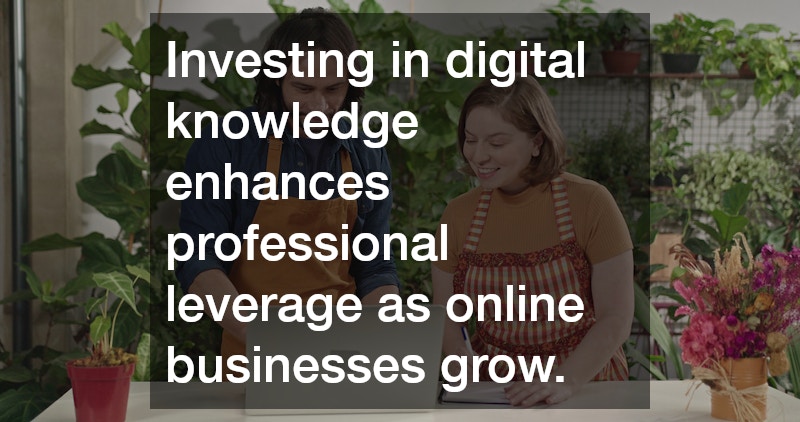
Investing in digital knowledge enhances professional leverage as online businesses grow.
Building a Career That Evolves
Future-proofing a career doesn’t mean predicting the next platform or mastering every new tool. It means building a solid foundation and staying open to learning.
By developing core digital marketing skills, such as search visibility, content creation, social engagement, email communication, and performance analysis, professionals position themselves for long-term growth. These skills evolve with experience and continue to create opportunities, even as industries shift.
In a digital-first world, understanding how businesses grow online is not just essential; it’s the key to unlocking new opportunities and navigating future changes with confidence.