


The role of a facility manager is defined by its unpredictability. On any given Tuesday, you might start your morning optimizing a multimillion-dollar operational budget, only to spend your afternoon dealing with a mysterious mechanical failure on the fourth floor and an unexpected power surge in the loading dock. You are the silent conductor of a massive, complex orchestra, and your primary job is ensuring that the occupants of your building never notice when an instrument falls out of tune.
However, no facility manager, regardless of their experience or technical acumen, can operate as an island. The sheer breadth of modern building systems—spanning intricate fluid dynamics, advanced electronic security, and complex structural engineering—requires a dedicated team of highly specialized experts. The difference between a minor hiccup and a catastrophic, headline-making operational failure often comes down to who you can call when the situation deteriorates.
Building a vetted vendor matrix is not something that should happen during an active crisis. When water is pooling in your lobby or the perimeter security has been breached, you do not have the luxury of reading online reviews, negotiating hourly rates, or verifying insurance certificates. You need trusted partners who already understand your building’s layout, adhere to your compliance standards, and treat your emergencies with the urgency they require.
This comprehensive guide breaks down the critical components of building management and provides actionable, step-by-step strategies for maintaining your infrastructure. More importantly, it highlights the specialized partnerships you must establish long before the alarms start ringing. By transitioning from a reactive scramble to a proactive management strategy, you will protect your budget, secure your assets, and ensure uninterrupted operations.
Securing Your Perimeter: How to Audit Access Points and Prevent Break-Ins

The physical security of your facility begins at its perimeter. A building’s entryways are subjected to thousands of cycles per day, enduring severe mechanical stress, fluctuating weather conditions, and occasionally, intentional abuse. When primary access points fail, they compromise not only the safety of your personnel and physical assets but also the efficiency of your HVAC system due to uncontrolled air exchange. Maintaining a secure perimeter requires a blend of rigorous mechanical auditing and advanced access control management.
Actionable Tip: Conduct Quarterly High-Traffic Entry Audits
The mechanical components of your entrances will inevitably degrade over time. Facility managers must implement a strict, quarterly audit schedule for all primary and secondary egress points to ensure they are functioning safely and securely.
During these physical audits, pay close attention to the following mechanical and structural elements:
-
Pneumatic and Hydraulic Closers: Check for fluid leaks on the door frame or glass, which indicate failing internal seals. A closer that slams shuts poses a severe liability and ADA violation, while one that fails to latch completely creates a massive security vulnerability.
-
Weatherstripping and Thresholds: Inspect the perimeter of the frame. Worn weatherstripping allows conditioned air to escape, increasing utility costs, and invites moisture into the vestibule which can degrade the surrounding flooring.
-
Hinge Alignment and Frame Integrity: Look for metal fatigue, sagging, or stripped screws. A door that drags on the threshold will eventually damage the flooring and destroy the internal locking mechanism through constant misalignment.
-
Panic Hardware and Exit Devices: Ensure all crash bars depress smoothly and retract the latch fully without excessive force, which is critical for fire safety compliance during an evacuation.
To maintain compliance with stringent fire codes and ADA pull-force regulations, it is highly recommended to partner with a contractor that provides specialized commercial door services to perform annual calibrations, motor replacements for automatic sliders, and deep mechanical maintenance on your entryways.
Actionable Tip: Implement a Tiered Master Key and Electronic Access System
Physical keys are a known, compounding security vulnerability. They can be duplicated, lost, or stolen, and retrieving them during employee offboarding is notoriously difficult. To regain control over your perimeter, facility managers must transition to a highly audited, tiered access control system.
Begin by mapping your facility into specific security tiers. Tier 1 (Lobby, Restrooms) requires general access. Tier 2 (Offices, Warehouses) requires standard employee access. Tier 3 (Server rooms, Executive suites, Chemical storage) requires strictly limited, digitally logged access. Once these zones are established, implement a strict policy requiring a quarterly review of all active electronic key fobs and cards, immediately deactivating credentials for terminated employees.
Even with advanced electronic systems, mechanical overrides are required by building codes in the event of a total power loss. Establishing a relationship with highly rated commercial locksmiths ensures you have a partner capable of immediate rekeying during a severe security breach, performing complex master key system expansions, and repairing high-security deadbolts when your electronic systems inevitably require physical intervention.
Mitigating Water Damage: Developing Proactive and Reactive Protocols

Water is arguably the most destructive force a building can face. It operates silently, traveling along the path of least resistance, compromising drywall, destroying electrical conduits, rusting support beams, and fostering hazardous mold growth. According to industry data, water damage claims are among the most frequent and costly expenses in property management. Mitigating this risk requires a deeply proactive approach to fluid systems and an aggressive, zero-hesitation response plan for when things go wrong.
Actionable Tip: Map Shut-Off Valves and Establish Preventative Inspections
You cannot manage what you cannot locate. In many sprawling facilities, the location of isolation valves is a closely guarded secret known only to a single veteran maintenance technician. This creates a profound operational risk if an emergency occurs while that technician is off-site.
To regain control of your fluid systems, develop high-contrast, color-coded maps of all primary and secondary water shut-off valves. Place these maps in the main mechanical room, near emergency exits, and distribute digital copies to all management staff. Furthermore, a valve that has not been turned in five years is likely seized with calcification. Maintenance teams must physical exercise (close and reopen) all isolation valves bi-annually to ensure they remain functional during a crisis.
To truly protect your building’s circulatory system, you must move beyond basic, in-house maintenance. Partnering with an expert in commercial plumbing allows for advanced diagnostics, such as endoscopic camera inspections of aging cast-iron sewer lines and ultrasonic thickness testing of high-pressure copper mains. These advanced techniques catch catastrophic degradation, pipe bellies, and root intrusions long before a pipe actually ruptures.
Actionable Tip: Create a “Zero-Hour” Flood Response Plan
When a two-inch pressurized main bursts over a server room at 3:00 AM, the first ten minutes dictate the financial outcome of the disaster. Facility managers must write, distribute, and physically drill a response protocol with their security and overnight staff.
Zero-Hour Protocol Essentials:
Immediate Isolation: Cut the water supply at the nearest functional zone valve. Do not waste time trying to clean up the water until the flow has been completely stopped.
Electrical Mitigation: Secure the area immediately. De-energize any electrical panels, floor outlets, or heavy equipment in the immediate vicinity of the pooling water to prevent electrocution and short circuits.
Asset Triage: Relocate sensitive inventory, paper records, and movable electronics away from the expanding water footprint, moving items to higher ground or a completely different zone.
During a catastrophic fluid release, standard maintenance crews are usually unequipped to handle the volume of water and the complexity of the necessary repairs. Having a pre-vetted emergency commercial plumber on your contact list guarantees that a fully equipped rapid-response vehicle is dispatched immediately to halt the damage, extract the standing water, and begin the critical repair process while you manage tenant communications and insurance documentation.
Managing Specialized Infrastructure: Audit Checklists for On-Site Utilities
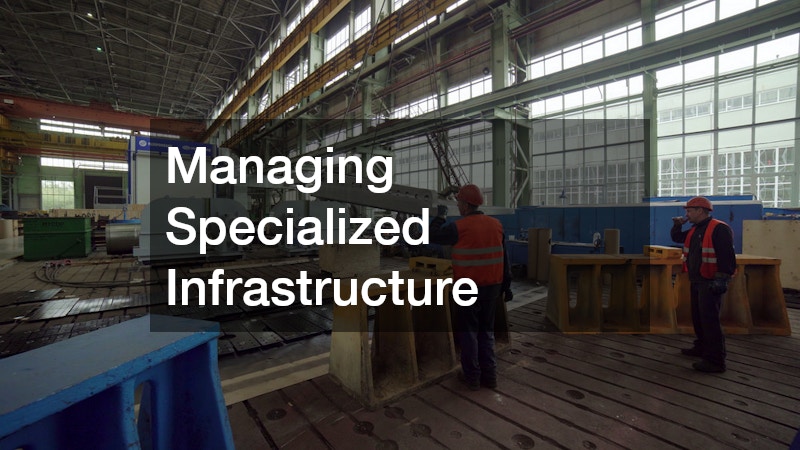
While urban facilities typically rely on robust municipal grids for water and waste management, suburban, industrial, and rural properties often manage their own complex, decentralized utility infrastructure. When you are your own utility provider, the margin for error drops to zero. Managing off-grid systems requires a deep understanding of environmental regulations, hydrology, and specialized mechanical engineering.
Actionable Tip: Implement Semi-Annual Water Quality and Pump Efficiency Testing
For facilities that operate independently of municipal water supplies, ensuring a consistent and safe fluid flow is a massive undertaking. Groundwater systems are sensitive to seismic shifts, drought conditions, and local agricultural runoff that can compromise water safety.
Facility managers must meticulously track the static water level and the drawdown level (the level of water while the pump is actively running). A shrinking recovery rate over time indicates a depleting aquifer or a heavily encrusted pump screen. Additionally, monitor the electrical amperage and voltage on your pump’s control box. A sudden, sustained spike in electrical draw is an early warning sign of imminent motor failure or severe blockages in the intake manifold.
Maintaining this hidden infrastructure is highly dangerous and requires specialized rigs, hoisting equipment, and heavy machinery. Relying on an experienced commercial well contractor ensures your deep-pump replacements, aquifer yield testing, and groundwater regulatory compliance are handled safely and legally without disrupting your daily operations.
Actionable Tip: Schedule Routine Sediment Removal for Storage Vessels
Whether your facility utilizes underground grease interceptors, massive greywater holding tanks, or above-ground chemical storage vessels, managing the sludge and sediment that accumulates at the bottom of these units is absolutely critical. Ignoring storage vessels leads to anaerobic bacterial growth, severe structural corrosion, and potentially ruinous fines from environmental regulatory agencies.
Implementing a strict audit and cleaning schedule is mandatory based on the specific type of storage vessel on your property:
-
Grease Interceptors: Monthly or bi-monthly audits are required to prevent sewer line back-ups, foul odors permeating the building, and massive municipal fines for contaminating the city sewer system.
-
Greywater Holding: Quarterly inspections are necessary to stop bacterial blooms, mechanical pump clogs from accumulated debris, and hazardous system overflow into surrounding soil.
-
Chemical Storage: Bi-annual checks prevent chemical stratification, rapid tank wall corrosion, and potentially lethal toxic reactions from unmonitored sludge buildup.
-
Stormwater Vaults: Annual cleaning before the rainy season mitigates the flooding of parking lots, structural damage to asphalt, and severe sediment displacement into local waterways.
Proper evacuation of these vessels requires high-powered vacuum trucks, confined-space entry permits, and strict adherence to hazardous waste disposal protocols. Contracting a reliable local commercial tank cleaning service guarantees that your vessels are thoroughly evacuated, hydro-jetted, and inspected for micro-fractures, keeping you fully compliant with local and federal environmental laws.
Preserving the Exterior: Strategies for Curb Appeal and Structural Hazards

A facility’s exterior is its first impression and its first line of defense against the elements. However, managing the grounds is not merely an aesthetic pursuit; it is a critical exercise in liability mitigation and asset preservation. Poorly managed exterior zones lead to foundational settling, extensive trip-and-fall lawsuits, and massive utility waste. FMs must view the exterior landscape and hardscape as dynamic systems that require constant, data-driven optimization.
Actionable Tip: Optimize Watering Schedules Based on Micro-Climate Data
Traditional landscaping management often relies on static, “set-it-and-forget-it” watering schedules. This outdated approach results in profound water waste during rainy seasons and severe turf stress during heatwaves. Furthermore, overwatering near a building’s perimeter saturates the soil, creating extreme hydrostatic pressure that can crack foundations and flood basements.
To modernize your exterior water usage, start by conducting a zone audit. Map out your landscape into specific hydro-zones; shaded areas on the north side of the building require vastly different water volumes than sun-baked southern exposures. Upgrade antiquated mechanical timers to smart Evapotranspiration (ET) controllers that adjust watering schedules daily based on local weather station data, humidity, and soil evaporation rates. Finally, regularly walk the property while the system is running to identify runoff, broken emitter heads, or geysers that are washing away topsoil.
To design and maintain a highly efficient, drought-resistant landscape, facility managers should partner with a specialized commercial garden irrigation team. These experts can install subsurface drip lines, calibrate smart weather sensors, audit water pressure, and ensure your property remains lush without draining your monthly utility budget.
Actionable Tip: Audit Pavement and Hardscapes for Trip Liabilities
Concrete and asphalt are subjected to brutal freeze-thaw cycles, heavy commercial vehicle traffic, and the relentless upward pressure of invasive tree roots. Over time, this results in settling, spalling, and vertical displacement between concrete slabs. In the world of facility management, a half-inch vertical deviation on a sidewalk is not a cosmetic flaw; it is an active, expensive lawsuit waiting to happen.
Establish a monthly liability walking path. Physically walk the primary paths of travel from the parking lot to the entrances using a digital level to identify concrete slabs that have sunk or shifted out of ADA compliance. Monitor your loading docks and trash enclosure pads, inspecting the heavy-duty concrete for massive structural voids forming beneath the surface, often caused by poor drainage washing away the sub-base gravel. Ensure that all expansion joints between concrete slabs and the building’s foundation are properly caulked to prevent moisture intrusion.
When massive slabs sink or structural voids threaten the integrity of your loading zones, tearing out and pouring new concrete is incredibly disruptive and expensive. Utilizing a skilled commercial concrete pumping company allows you to inject specialized polyurethane foam or high-pressure grout beneath the existing slabs, safely lifting them back into alignment and stabilizing the sub-soil in a fraction of the time and cost of replacement.
Protecting Operations: Health Standards and Inventory Spoilage Prevention

The ultimate goal of a facility manager is to protect the operations occurring inside the building. Whether your facility houses a corporate headquarters, a vast pharmaceutical distribution center, or a high-volume food processing plant, the internal environment must remain pristine, temperature-controlled, and fiercely protected from biological contaminants. Failure in these areas does not just cause property damage; it destroys inventory, halts production, and triggers catastrophic regulatory shutdowns.
Actionable Tip: Implement an Integrated Pest Management (IPM) Strategy
The traditional approach of waiting to see a rodent or an insect and then blanketing the facility with toxic chemicals is obsolete, dangerous to occupants, and highly ineffective. Modern facility managers must transition to Integrated Pest Management (IPM), a science-based methodology that focuses on prevention, structural exclusion, and biological understanding.
To execute a successful IPM strategy, you must fundamentally disrupt the elements pests need to survive: food, water, and shelter.
-
Exclusion Tactics: Seal the building envelope completely. Install heavy-duty door sweeps to eliminate gaps under exterior doors. Use copper mesh and specialized expanding sealants to close penetrations around plumbing and electrical conduits where rodents frequently enter.
-
Sanitation Audits: Ensure exterior dumpsters are positioned at least fifty feet away from the building to draw pests away from entrances. Mandate that indoor breakrooms are deep-cleaned nightly and that no standing water is left in janitorial closets or utility sinks.
-
Data-Driven Monitoring: Place non-toxic monitoring stations in strategic, high-risk zones such as loading docks, commercial kitchens, and utility rooms to track activity levels and identify the exact species of a threat before a full-blown infestation blooms.
Executing this highly scientific approach requires a close partnership with certified commercial pest control services. These dedicated professionals do not just blindly spray baseboards; they provide detailed trend reports, entomological breakdowns of seasonal threats, and actionable exclusion checklists to keep your facility permanently compliant with strict health department audits.
Actionable Tip: Mandate Monthly Condenser Coil Cleaning and Temperature Logging
For facilities that rely on walk-in freezers, massive chillers, or climate-controlled clean rooms, the thermodynamic efficiency of the cooling equipment is the lifeblood of the operation. When cooling equipment fails, the financial impact is measured in the hundreds of thousands of dollars due to irreversible inventory spoilage and operational downtime.
The most common cause of catastrophic cooling failure is deferred maintenance, specifically regarding external condenser coils. Condenser coils are designed to exhaust the heat pulled from inside the building out into the atmosphere. When these coils become caked with urban dust, kitchen grease, or seasonal cottonwood seeds, they act as an insulating blanket. Because the heat cannot escape, the compressor is forced to run continuously to achieve the set temperature, eventually seizing up completely. To prevent this, managers must also install Wi-Fi-enabled data loggers inside all critical cold-storage units to automate temperature checks and trigger SMS alerts the moment a unit rises above its safe operating threshold.
You cannot afford to let general handymen tinker with high-pressure refrigerants and complex electrical arrays. Establishing a strict preventative maintenance contract with highly qualified commercial refrigeration services ensures your coils are chemically cleaned, refrigerant lines are rigorously leak-tested, and moving parts are calibrated, drastically reducing the risk of a catastrophic, business-ending system failure.
Conclusion
Mastering the art of facility management requires a fundamental shift in mindset. You must transition from viewing yourself as a firefighter, constantly rushing to extinguish the next operational blaze, to viewing yourself as a strategic architect of preventative systems. The physical integrity, security, and operational efficiency of your building rely heavily on the hidden infrastructure and the unseen, meticulous maintenance routines that happen behind closed doors.
However, the most flawless preventative maintenance strategy will eventually face an anomaly. Systems will break due to age, extreme weather will wreak havoc on your exterior, and unavoidable emergencies will arise. The true test of a facility manager’s competence is how smoothly the recovery process is executed under pressure. The cost of inaction—of waiting until a crisis occurs to begin sourcing contractors—is unimaginably steep. It results in paying exorbitant emergency dispatch fees, suffering through prolonged operational downtime, and settling for subpar workmanship from unvetted vendors who do not understand your building.
Take the time today to build out your emergency contact matrix. Reach out to local specialists, verify their insurance certificates, confirm their guaranteed emergency response times, and bring them on-site for introductory audits of your systems. By cultivating strong, proactive relationships with expert contractors before you desperately need them, you transform potential building disasters into easily manageable inconveniences. You ensure that no matter what system fails, you have the exact right professional on speed dial, ready to protect your facility and restore order flawlessly.
